
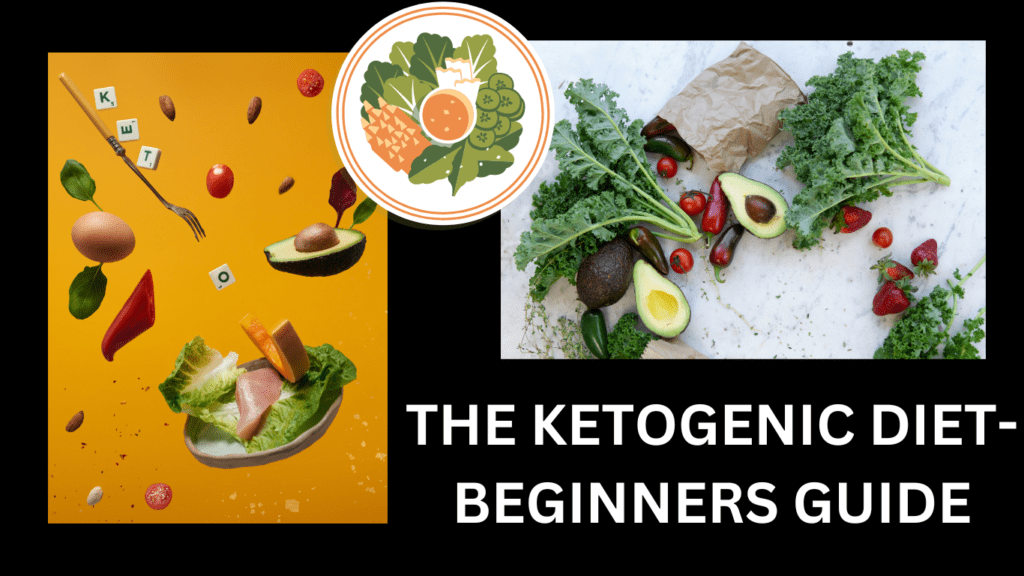
A ketogenic diet for beginners means eating very few carbs (usually 20 to 50 grams a day), a moderate amount of protein, and most of your calories from fat. When carbs are this low, your body switches to burning fat and making ketones for energy, a state called ketosis. Many people use keto to lose weight and improve blood sugar.
Keto can work, but it is strict and not right for everyone. This beginner’s guide explains how ketosis works, the different types of keto, real benefits and side effects, foods to eat and avoid (with Indian options), a sample day of eating, supplements, and who should not try it.
What Is the Ketogenic Diet?
The ketogenic diet, or keto diet, is a low-carb, high-fat diet that became popular for weight loss and other possible health benefits.
The basic idea is to change your metabolism so that your body uses fat, instead of carbohydrates, as its main fuel. You do this by cutting carbs very low and replacing those calories with fat.
What Is Ketosis?

When your body does not get enough carbohydrates for energy, it enters a metabolic state called ketosis. Instead of running mainly on glucose, it starts using ketones. Your liver turns fatty acids into ketones, which your muscles and brain can use as fuel.
Carb tolerance varies from person to person, but getting into and staying in ketosis usually means keeping net carbs between 20 and 50 grams a day. Most people reach ketosis within 2 to 4 days at this level. You can check with urine strips or a blood ketone meter, though signs like less hunger and a drop in water weight are also common.
How Much Fat, Protein and Carbs?
On a standard keto diet, a typical split is about 70% of calories from fat, 20% from protein and 10% from carbs. For someone eating 1,800 calories, that is roughly 140 grams of fat, 90 grams of protein and 45 grams of carbs. Use our guide on how many calories to eat daily to find your own number first.
Different Types of the Ketogenic Diet
There are several versions of keto. Beginners should start with the standard version.
1. Standard Ketogenic Diet (SKD)
This is the most common version: high fat, moderate protein and very low carbs. The usual ratio is about 70% fat, 20% protein and 10% carbs. Most research on keto uses this version.
2. Cyclical Ketogenic Diet (CKD)
In CKD, you follow a strict keto diet for 5 or 6 days, then have 1 or 2 “refeed” days with more carbohydrates. The goal is to refill muscle glycogen and give a short carb boost for training. It is mainly used by experienced athletes and bodybuilders.
3. Targeted Ketogenic Diet (TKD)
With TKD, you add a small amount of easily digested carbs around your workouts for extra energy, and stay low-carb the rest of the time.
4. High-Protein Ketogenic Diet
This version includes more protein than standard keto, at roughly 60% fat, 30% protein and 10% carbs. It can be easier to follow and helps people who lift weights keep their muscle.
5. Modified Ketogenic Diet
A modified keto diet allows a bit more carbohydrate while still aiming for ketosis, or close to it. It still has higher fat and moderate protein. For people with particular nutrition needs, or who find strict keto too hard, this approach can be easier to stick with.
Health Benefits of the Ketogenic Diet

1. Weight Loss
Keto can be very effective for weight loss, especially at the start. Cutting carbs lowers insulin, your body drops stored water, and many people feel less hungry, so they naturally eat fewer calories. Your body then burns more of its stored fat for energy.
Research shows keto works about as well as other diets for long-term weight loss. The main reason it works is that it helps some people eat fewer calories. If you are not in a calorie deficit, you will not lose fat, even in ketosis.
2. Steady Energy and Focus
Some people say they have more steady energy and focus on keto, without the sugar crashes. This may be because ketones give the brain a steady fuel source. Others feel tired at first, especially in the first week.
3. Better Blood Sugar Control
Because keto is so low in carbs, it can lower blood sugar and improve insulin sensitivity, which helps many people with type 2 diabetes. If you take diabetes medicine, especially insulin, do not start keto without your doctor, because your doses may need to change.
4. Epilepsy and Other Conditions
Keto was first used as a medical diet for epilepsy, and it still helps some children and adults whose seizures do not respond to medicine. Researchers are also studying keto for conditions like Alzheimer’s disease and some cancers, but the evidence is still early, so it should not be used as a treatment for these without medical supervision.
Side Effects of the Ketogenic Diet
1. Keto Flu
In the first week, many people get headaches, tiredness, brain fog, irritability or cramps. This is called the “keto flu”. It usually passes in a few days and is mostly caused by losing water and salts as your body adapts.
2. Digestive Problems
Some people get constipation or diarrhea. Eating plenty of low-carb vegetables for fiber and drinking enough fluids usually helps.
3. Nutrient Deficiencies
Because keto cuts out many foods, you can fall short on some vitamins (B vitamins, vitamin C), minerals (magnesium, potassium) and fiber. Eat a wide variety of low-carb vegetables, nuts and seeds, and consider supplements if needed. A registered dietitian or doctor can help you plan meals and spot any gaps.
4. Lower Athletic Performance at First
Some athletes notice a drop in performance during the first few weeks while their body adapts to using ketones. Others do well on a targeted or cyclical keto diet that adds carbs around workouts. Each person needs to find what suits their goals. High-intensity sports usually run better with some carbs.
5. Problems From Eating Unhealthy Fats
Keto is high in fat, so the type of fat matters. Base your diet on healthier fats like olive oil, nuts, seeds, avocado and fatty fish. Use butter, ghee, cheese and coconut oil in moderation, because they are high in saturated fat, which can raise LDL cholesterol in some people. Avoid processed meats and fried foods as much as possible.
How to Reduce Keto Side Effects
1. Drink Enough Water
When you start keto, your body loses water and salts, so drink enough fluids through the day. Most adults need about 2 to 3 litres, more if it is hot or you sweat a lot. There is no need to drink 5 litres or more, and too much water can be harmful.
2. Get Enough Electrolytes
Add a little extra salt to food, and eat potassium- and magnesium-rich foods like spinach, avocado, nuts and seeds. This helps prevent keto flu, headaches and cramps.
3. Eat Nutrient-Rich Foods
Build your meals around healthy fats, protein and lots of low-carb vegetables. Nutrients keep your body healthy while you cut carbs.
4. Get Doctor Guidance
A doctor or dietitian who knows the ketogenic diet can give personalized advice, help track your health with blood tests, and help with any problems you run into.

Foods to Eat on the Keto Diet
1. Proteins
Protein helps you feel full for longer and keeps your blood sugar steady. Choose a protein source at every meal. Cook with healthy fats, but measure your oil, because fat adds calories quickly.
Non-vegetarian keto proteins:
- Chicken (boiled, grilled or tandoori)
- Eggs
- Fish, cooked with a little oil
- Lean mutton or red meat, in moderation
- Prawns
Vegetarian keto proteins:
- Paneer
- Tofu
- Soya chunks (in small portions, they have some carbs)
- Greek yogurt or hung curd (in small portions)
- Cheese
Most legumes like dal, rajma and chana are too high in carbs for strict keto, so vegetarians need to rely more on paneer, tofu, dairy, nuts and seeds.
2. Healthy Fats
Healthy fats are the base of keto. Eat avocado, olive oil and nuts, and use butter, ghee and coconut oil in moderation. Read more about healthy high-fat foods.
3. Nuts and Seeds
Nuts and seeds give you healthy fats, fiber and minerals. Good keto choices are almonds, walnuts, pecans, chia seeds, flaxseeds and pumpkin seeds. Cashews are higher in carbs, so eat fewer of those.
4. Low-Carb Vegetables
Vegetables fill you up, add fiber and give you vitamins and minerals for very few calories. On keto, choose low-carb vegetables like spinach, methi, cauliflower, cabbage, broccoli, capsicum, cucumber, bhindi, lauki, mushrooms and zucchini. See our list of low-carb vegetables.
5. Dairy Products
Cheese, butter, cream, paneer and plain full-fat yogurt can fit keto. Regular milk has about 12 grams of carbs per glass, so use it in small amounts only.
Foods to Avoid on the Ketogenic Diet
1. High-Carb Foods
Avoid potatoes, rice, roti, bread, pasta, cereals, and most beans and lentils. These are high in carbs and will stop you from getting into ketosis.
2. Sugary Foods
Avoid sugar, jaggery, honey, maple syrup, sweets and desserts. They are almost pure carbohydrate.
3. High-Sugar Fruits
Most fruits like banana, grapes, mango, chikoo and pineapple are too high in sugar for keto. Small portions of berries like strawberries or raspberries can fit.
4. Processed Foods and Sugary Drinks
Packaged snacks, cakes, biscuits, soft drinks and fruit juices are high in carbs and often contain unhealthy fats.

Sample Keto Meal Plan for One Day (Indian)
- Breakfast: 3-egg omelette with spinach, onion and cheese, or paneer bhurji cooked in butter
- Lunch: grilled chicken or paneer tikka with a big salad and cucumber raita
- Snack: a handful of almonds or walnuts
- Dinner: fish curry or tofu stir-fry with cauliflower rice and sauteed vegetables
- Drinks: water, black coffee, unsweetened tea, lemon water
Keto Snacks
- Cheese cubes
- Nuts and seeds
- Tuna or other fish
- Hard-boiled eggs
- Olives
- Avocado
- Dark chocolate (85% or higher, a small piece)
- Paneer tikka
- Cucumber and capsicum sticks with hung curd dip
- Roasted makhana (in small portions)
Supplements for the Keto Diet
1. Omega-3 Fatty Acids
If you do not eat fatty fish twice a week, a fish oil or algae oil supplement can help balance the fats in your diet.
2. Electrolytes
Electrolyte imbalances are common early on, because keto makes you pass more urine. Salt, potassium and magnesium from food or an electrolyte powder can help. Check with your doctor first if you have kidney or heart problems.
3. MCT Oil
MCT (medium-chain triglyceride) oil is a type of fat your liver turns into ketones quickly. Some people add it to coffee or food for quick energy. Start with a teaspoon, since too much can upset your stomach.
4. Whey Protein
Whey protein can help you reach your protein target. Pick an unsweetened or low-carb version and mix it with water or a little milk.
Who Should Not Try Keto?
Do not start keto without medical advice if you have type 1 diabetes, take insulin or other diabetes medicine, have kidney, liver or pancreas disease, have a history of eating disorders, or are pregnant or breastfeeding. Keto is also not ideal for teenagers who are still growing.
If keto feels too strict, a lower-carb diet or intermittent fasting can be easier ways to eat less and lose weight.
Frequently Asked Questions
What is a keto diet for beginners?
A keto diet is a very low-carb, high-fat diet. Beginners usually keep carbs under about 20 to 50 grams a day, eat moderate protein, and get most calories from fats like eggs, cheese, nuts, oils and fatty fish.
What can I eat on a keto diet?
Eggs, meat, fish, paneer, cheese, butter, ghee, nuts, seeds, avocado, olive and coconut oil, and low-carb vegetables like spinach, cauliflower and cucumber. See our low carb vegetables.
What foods should I avoid on keto?
Sugar, sweets, bread, rice, roti, pasta, potatoes, most fruits, beans and lentils, juices and soft drinks, because they are high in carbs.
How long does it take to get into ketosis?
Most people enter ketosis within 2 to 4 days of eating under about 20 to 50 grams of carbs a day. It can take longer for some.
What is the keto flu?
It is a group of symptoms like headache, tiredness and irritability in the first week of keto. Drinking more water and getting enough salt, potassium and magnesium usually helps.
Is the keto diet safe?
Short-term it is safe for most healthy adults. People with diabetes on medicine, kidney or liver disease, or who are pregnant should not start keto without a doctor.
How much weight can I lose on keto?
Many people lose 1 to 3 kg in the first week, mostly water. After that, fat loss is usually about 0.5 to 1 kg a week if you stay in a calorie deficit.
The Bottom Line
The ketogenic diet is a very low-carb, high-fat diet that puts your body into ketosis. It can help with weight loss, blood sugar control and metabolic health for some people, especially those who are overweight or have type 2 diabetes.
It also has side effects and is hard to follow long term. Focus on healthy fats, enough protein and plenty of low-carb vegetables. Before you start, talk to a doctor or healthcare professional who can guide you based on your health.
Sources

About the Author: Nikilesh Srinivasan
Nikilesh Srinivasan has been in the fitness industry for more than 6 years and has trained many people, from complete beginners to regular gym-goers. He writes practical workout and nutrition guides based on that experience, checked against trusted research.

Hi there! Do you use Twitter? I’d like to follow you if
that would be ok. I’m definitely enjoying your
blog and look forward to new updates.