
Whether you want to lose weight or gain it, calories are the starting point. Your weight changes depending on whether you eat more or fewer calories than your body uses. Here’s how to estimate your needs and adjust them for your goal.
Quick answer: Most adult women need roughly 1,800 to 2,400 calories a day and most men about 2,200 to 3,000, depending on age, size and activity. To lose weight, eat about 300 to 500 calories less than you burn. To gain weight, eat about 300 to 500 more and do strength training.
Free tool: Not sure how many calories you need? Use our calorie calculator to find your daily target in seconds.
What Is a Calorie Deficit?
A calorie deficit means eating fewer calories than your body burns, so it uses stored fat for energy. A deficit of about 500 calories a day leads to a safe loss of around 0.5 kg a week, in line with the CDC‘s advice of 0.5 to 1 kg per week.
What Is a Calorie Surplus?
A calorie surplus means eating more than you burn. Combined with strength training and enough protein, a small surplus of 300 to 500 calories helps you gain mostly muscle.
How Many Calories Do You Need?
Your needs depend on your age, sex, height, weight and activity. These are rough ranges for adults:
Calories for Women

| Activity level | Approx. calories per day |
|---|---|
| Mostly sitting | 1,600 to 2,000 |
| Moderately active | 2,000 to 2,200 |
| Very active | 2,200 to 2,400 |
Calories for Men

| Activity level | Approx. calories per day |
|---|---|
| Mostly sitting | 2,000 to 2,400 |
| Moderately active | 2,400 to 2,800 |
| Very active | 2,800 to 3,000+ |
Younger people usually need more and older adults less. The simplest way to find your number: track what you eat for 2 weeks while weighing yourself. If your weight stays the same, that’s roughly your maintenance level.
How to Eat Fewer Calories to Lose Weight

1. Eat More Vegetables

They fill your plate and stomach with very few calories.
2. Eat More Protein

Protein keeps you full and helps you keep muscle while losing fat.
3. Cut Sugary and Fried Foods

Sweets, sugary drinks and fried snacks add lots of calories without filling you up.
4. Drink Water

Choose water over sugary drinks. A glass before meals can also help with portion control.
5. Do Strength Training

It helps you keep muscle and look toned as you lose weight.
How to Eat More Calories to Gain Weight

1. Add Protein to Every Meal
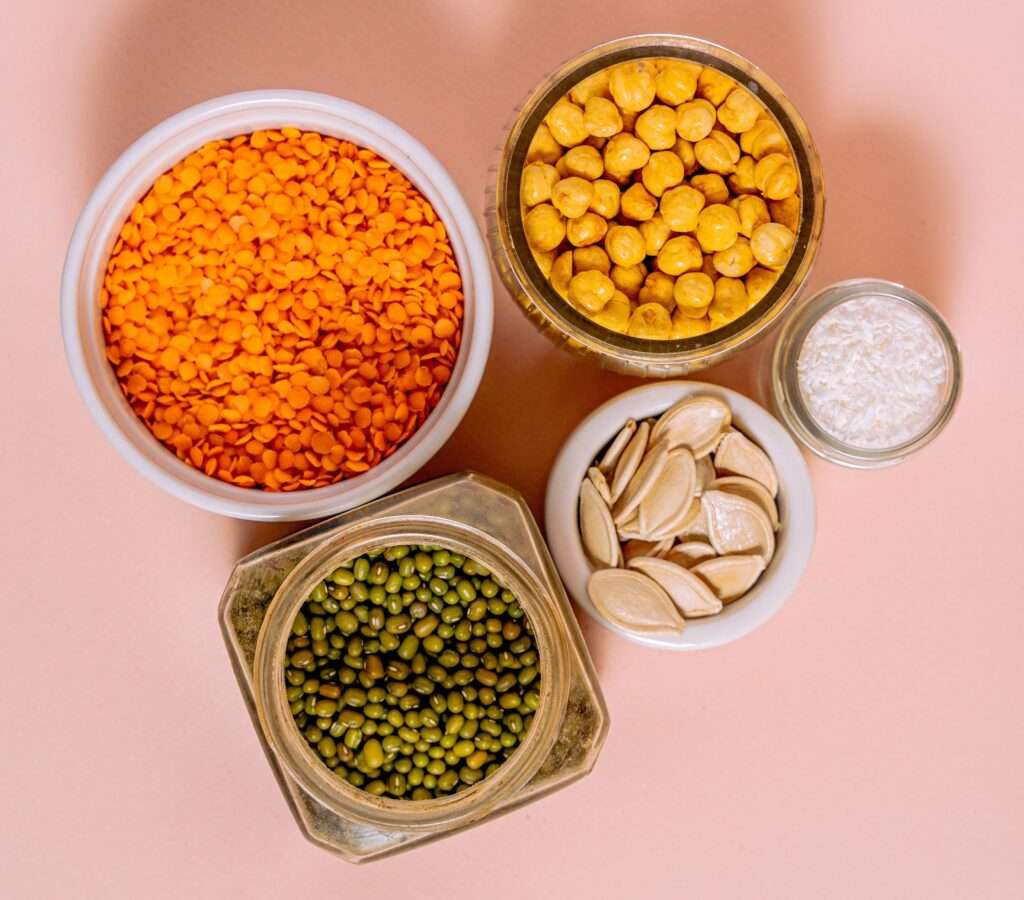
Eggs, paneer, dal, chicken, fish and curd help you build muscle.
2. Choose Calorie-Dense Healthy Foods

Nuts, peanut butter, whole milk, bananas, dried fruit and smoothies add calories without huge portions.
3. Eat More Often

Have 3 meals and 2 to 3 snacks instead of forcing very large meals.
4. Do Strength Training

Lifting weights makes sure the extra calories build muscle, not just fat.
Quick Tips
- Don’t go below about 1,200 calories a day for women or 1,500 for men without medical supervision.
- Weigh yourself weekly and look at the trend, not daily changes.
- Adjust by 100 to 200 calories if your weight isn’t moving after 2 to 3 weeks.
Frequently Asked Questions
How many calories should I eat to lose 1 kg a week?
Losing 1 kg of fat needs a deficit of roughly 7,000 calories, or about 1,000 a day. For most people, 0.5 kg a week is more realistic and easier to keep up.
Do I need to count calories?
Not always. Watching portions, eating more vegetables and protein and cutting sugary foods can create a deficit without counting.
Is eating very few calories better for weight loss?
No. Very low-calorie diets can cause muscle loss, tiredness and nutrient gaps, and the weight often returns.
The Bottom Line
Your weight depends on calories in versus calories out. Estimate your needs, eat about 300 to 500 calories below that to lose weight or above it to gain weight, focus on nutritious foods and protein, and adjust based on your weekly progress.
This article is for general information only. If you have a medical condition, are pregnant or breastfeeding, or have a history of eating difficulties, please speak to a doctor or registered dietitian before changing your calorie intake.
Sources

About the Author: Nikilesh Srinivasan
Nikilesh Srinivasan has been in the fitness industry for more than 6 years and has trained many people, from complete beginners to regular gym-goers. He writes practical workout and nutrition guides based on that experience, checked against trusted research.


