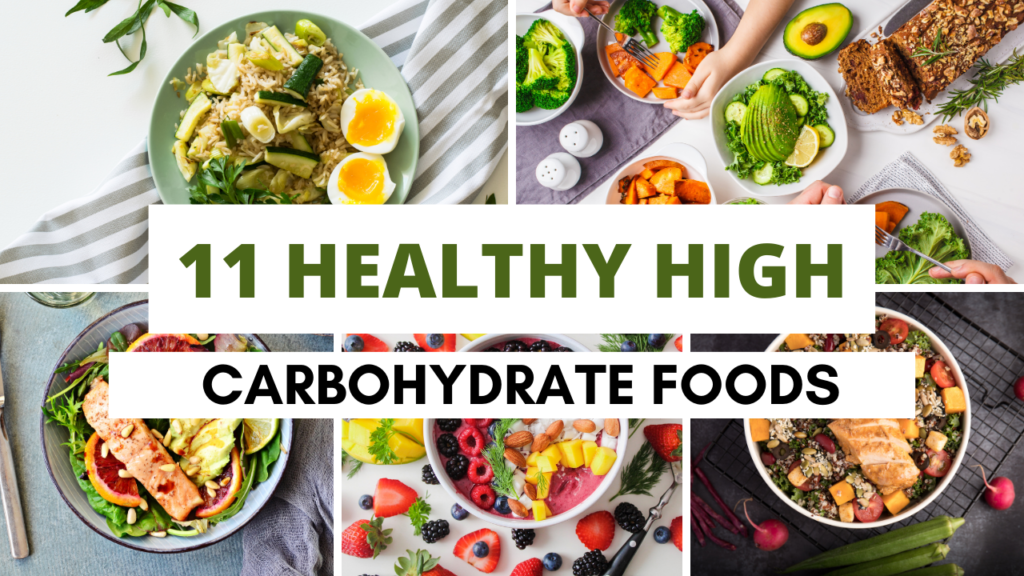
The best healthy foods to eat are simple, whole foods: lean proteins like eggs, chicken, fish, paneer and dal; fruits and vegetables of every colour; whole grains like oats and brown rice; and nuts, seeds and healthy oils in small amounts. Eat a mix of these every day and you cover most of the vitamins, minerals, fibre and protein your body needs.
You don’t need expensive “superfoods” to eat well. A plate of roti, dal, sabzi and curd, an egg or two in the morning, a fruit and a handful of peanuts in the evening already gets you most of the way there.
Below is our list of the 55 best healthy foods to eat, grouped by type, with what each one gives you and easy ways to add it to your meals. After the list, you’ll find how to build a balanced plate and a sample day of eating.
What Makes a Food Healthy?
A healthy food gives you a lot of nutrition for its calories. That usually means it is high in at least one of these: protein, fibre, vitamins, minerals or healthy fats, and low in added sugar, refined flour and deep-fried oil.
No single food will make you healthy. What matters is your overall pattern. The WHO recommends plenty of fruits, vegetables, legumes, nuts and whole grains, with less free sugar, salt and unhealthy fat. The foods below make that easy.
Healthy Protein Foods: Meat and Eggs
Protein builds and repairs your muscles, keeps you full and helps you hold on to muscle as you age. These are some of the best high-protein foods you can eat.
1. Chicken Breast
Chicken breast is one of the best high-protein healthy foods, and it is easy to cook. It is low in fat and high in protein, about 31 g per 100 g cooked, so many people eat it to increase their protein intake. It also gives you vitamin B6, niacin and B12. Grill it, bake it or add it to a curry with less oil.
2. Lean Beef
Lean beef is a good source of high-quality protein with all the amino acids your muscles need to grow. It is rich in iron, zinc, vitamin B12 and phosphorus. The iron in red meat is easy for your body to absorb. Pick lean cuts, keep portions moderate, and limit processed meats like sausages and salami.

3. Turkey Breast
Turkey breast is very lean and very high in protein. Compared with dark meat or poultry with skin, it has much less fat. It contains zinc, phosphorus, selenium, niacin and vitamin B6, plus some iron and potassium.
4. Mutton
Mutton is a popular food in many Indian homes. It gives high-quality protein for muscle repair and growth, along with vitamin B12, iron, zinc, phosphorus and selenium. It is higher in fat than chicken, so choose lean pieces, trim visible fat, and cook it with less oil.
5. Eggs
Eggs are one of the best and cheapest protein sources you can buy. One large egg has about 6 g of protein. Egg whites give protein with almost no fat, while the whole egg adds healthy fats, vitamin B12, vitamin D, choline and selenium. For most healthy people, eating whole eggs every day is fine.
Healthy Fruits to Eat
Fruits give you fibre, vitamins, antioxidants and natural sweetness. Eating whole fruit is far better than drinking juice, because juice loses most of the fibre.
6. Apple
Apples are one of the most popular fruits and a good source of fibre, about 4 g in a medium apple. The fibre includes pectin, a soluble fibre that is good for digestion and helps keep blood sugar steadier. Apples also give vitamin C and potassium. Eat the peel, that is where much of the fibre is.
7. Orange
Oranges are best known for vitamin C. One orange gives almost all you need for the day. They also contain fibre, potassium, folate and antioxidants. Eat the whole fruit rather than packaged orange juice for the fibre and fewer sugar spikes.
8. Pomegranate
Pomegranate is known for its juicy seeds and sweet-tart flavour. It is rich in antioxidants called polyphenols, and research suggests it may help heart health and blood pressure. Sprinkle the seeds on salads, raita or chaat.
9. Banana
Bananas are rich in potassium and vitamin B6, with some vitamin C and fibre. They give quick energy, so they are great before a workout. You can carry them anywhere, which makes them one of the easiest healthy snacks, and they are a good addition to high-calorie foods for weight gain.

10. Avocado
Avocado is a fruit that is rich in monounsaturated fats, the kind that support healthy cholesterol levels. It is also high in fibre, about 7 g per 100 g, and gives vitamin K, vitamin E, folate and potassium. It is calorie-dense, so half an avocado is a sensible serving.
11. Blackberries
Blackberries are high in fibre and low in calories, which helps digestion and keeps you full. They are packed with antioxidants, vitamin C, vitamin K and manganese.
12. Raspberries
Raspberries are one of the highest fibre-rich foods among fruits, with about 6.5 g of fibre per 100 g. That fibre helps digestion and weight management by keeping you full. Their antioxidants, including vitamin C and other plant compounds, help your body deal with oxidative stress.
13. Strawberries
Strawberries are sweet, high in fibre and very low in calories, about 32 per 100 g. A cup gives you more than a day’s vitamin C, plus folate and manganese. They are a smart pick when you want something sweet. See more healthy red fruits.
Healthy Vegetables to Eat
Vegetables are the most nutrient-dense foods for their calories. Try to fill half your plate with them at lunch and dinner.
14. Broccoli
Broccoli is high in vitamin C, vitamin K and folate, and has a good amount of fibre. It is low in calories and carbs, so it fits any diet. Steam or stir-fry it lightly instead of boiling it for long, so you keep more of the vitamin C.

15. Carrot
Carrots are crunchy, cheap and full of beta-carotene, which your body turns into vitamin A for eye and skin health. Their fibre helps digestion and keeps you full, which helps with weight management. Eat them raw as sticks, in salads, or in gajar sabzi.
16. Spinach
Spinach (palak) is one of the most nutrient-rich vegetables. It gives vitamin K, vitamin A, folate, iron, magnesium and antioxidants like lutein for eye health. Have it in dal, palak paneer, parathas or a quick stir-fry. Pairing it with a vitamin C food like lemon helps you absorb more of its iron.
17. Sweet Potatoes
Sweet potatoes are a healthy carb source, rich in fibre, vitamin A (from beta-carotene), vitamin C and potassium. They keep you full longer than white rice or bread. Roast or boil them; the deep-fried versions add a lot of oil.
18. Tomatoes
Tomatoes give vitamin C, vitamin K, potassium and lycopene, an antioxidant linked with heart and skin health. Cooking tomatoes with a little oil actually helps your body absorb more lycopene, so your everyday tadka and curry base count.
19. Cabbage
Cabbage is low in calories and high in water, which makes it great for weight management. It gives vitamin C, vitamin K, vitamin B6, folate and some fibre. Cabbage sabzi, coleslaw with curd instead of mayonnaise, or a quick stir-fry are easy ways to eat more.
20. Cauliflower
Cauliflower (gobi) is a versatile vegetable with vitamin C, vitamin K, vitamin B6, folate and fibre for digestion. It is low in carbs, so it is popular as cauliflower rice on low-carb diets.
21. Kale
Kale is very high in vitamins A, C and K, and contains folate, calcium and antioxidants. It supports bone health and heart health. If kale is hard to find, methi, palak or other leafy greens give many of the same benefits. See our list of low-carb vegetables for more.
22. Cucumber
Cucumber is about 95% water and very low in calories, so it supports weight loss and hydration. It gives a little vitamin K and vitamin C. Kachumber salad or cucumber raita are easy ways to eat more.
Healthy Dairy and Soy Foods
23. Milk
Milk is one of the best sources of calcium, which your bones need. It also gives protein (about 8 g per glass), vitamin B12, phosphorus and potassium, and is often fortified with vitamin D. Read more about calcium-rich foods.

24. Cottage Cheese
Cottage cheese is high in protein and lower in fat and calories than most cheeses. It gives calcium, phosphorus, vitamin B12 and selenium. It is a great snack before bed because its protein digests slowly.
25. Tofu
Tofu is made from soybeans and is a complete protein, meaning it has all the essential amino acids. Firm tofu made with calcium is rich in calcium, and it also gives iron, manganese, selenium, phosphorus and magnesium. Use it like paneer in bhurji, tikka or stir-fries.
26. Greek Yogurt
Greek yogurt has about twice the protein of regular yogurt because it is strained. It also gives calcium, iodine, phosphorus and vitamin B12, plus probiotics for gut health. Plain hung curd made at home works almost the same way. Pick plain over flavoured, which is often full of sugar.
27. Paneer
Paneer is a favourite for vegetarians who want more protein, with about 18 to 20 g per 100 g. It is rich in calcium and phosphorus and gives vitamin B12 and selenium. It is also high in fat, so 75 to 100 g is a sensible portion. Grill it or make paneer bhurji with less oil.
Healthy Fish
28. Salmon
Salmon is a fatty fish packed with omega-3 fats, which support your heart and brain. It is also high in protein, vitamin B12 and vitamin D, plus selenium and potassium. Indian options like rohu, mackerel (bangda) and sardines (mathi) also give omega-3s and cost much less.
29. Tuna
Tuna is high in protein and fairly low in fat compared with salmon or mackerel. It is easy to use from a can in sandwiches, salads and wraps. Some large tuna species contain more mercury, so pregnant women and young children should keep portions limited and choose light tuna.
Healthy Nuts, Seeds and Plant Proteins
30. Peanuts
Peanuts and peanut butter give plant protein, healthy monounsaturated fats, fibre, magnesium and vitamin E. They make you feel full for a long time and are one of the cheapest healthy foods. They are high in calories, so a small handful (about 30 g) is a good serving.
31. Soya Chunks
Soya chunks are one of the richest vegetarian protein sources, about 50 g protein per 100 g dry. Soy is a complete protein, and soya chunks also give iron, calcium, phosphorus and B vitamins. Add them to pulao, curries or a quick soya bhurji. See our vegetarian protein foods list for more.
32. Chia Seeds
Chia seeds are very high in fibre, about 10 g in 2 tablespoons, and contain plant omega-3 fats (ALA), protein, calcium and magnesium. Soak them in milk or water for a pudding, or add them to smoothies.

33. Flax Seeds
Flax seeds are rich in fibre and plant omega-3 fats, and contain lignans, plant compounds being studied for heart health. Grind them before eating, because whole flax seeds often pass through undigested. One tablespoon in your atta, curd or smoothie is enough.
34. Hemp Seeds
Hemp seeds are a good plant-based protein, about 9 to 10 g in 3 tablespoons, which makes them useful in a vegan diet. They give magnesium, zinc, iron, vitamin E and a good balance of omega-3 and omega-6 fats.
35. Pumpkin Seeds
Pumpkin seeds are one of the best plant sources of magnesium and zinc, and they also give iron, protein and healthy fats. Roast them lightly and eat a small handful as a snack, or sprinkle them on salads. Read more on pumpkin seed benefits.
36. Sunflower Seeds
Sunflower seeds are rich in vitamin E, an antioxidant, plus vitamin B1 (thiamine), vitamin B6, magnesium and selenium. They support heart health as part of a balanced diet. Choose unsalted ones.
37. Almonds
Almonds give protein, healthy fats, fibre, vitamin E, magnesium and some calcium. They help with fullness and fit well into weight management when you stick to a portion of about 20 to 25 almonds. Many people like soaked almonds in the morning; soaked or raw, the nutrition is very similar.
38. Cashew Nuts
Cashews give copper, magnesium, zinc, iron and healthy fats, along with some protein. They are tasty and creamy, which makes them easy to overeat. Keep to a small handful and avoid the fried, salted kind.

39. Walnuts
Walnuts are the nut highest in plant omega-3 fat (ALA), which is linked with heart and brain health. They also give fibre, protein, magnesium and antioxidants. Four to five walnut halves a day is a good habit.
Healthy Legumes and Whole Grains
40. Chickpeas
Chickpeas (chana) are a great source of plant protein, fibre and complex carbs. They also give folate, iron, magnesium and phosphorus. Chole, chana chaat, roasted chana and hummus are all great ways to eat them.
41. Lentils
Lentils (dal) are one of the most nutrient-dense foods in the Indian diet. They give plant protein, lots of fibre, folate, iron, potassium and manganese. A bowl of dal with roti or rice gives you a good mix of protein and carbs. Try different dals through the week: moong, masoor, toor and chana.
42. Quinoa
Quinoa is a seed eaten like a grain, and it is a complete protein with all nine essential amino acids. It is high in fibre and gives magnesium, phosphorus, folate and antioxidants. Use it in place of rice now and then, or make quinoa upma.
43. Oats
Oats are rich in beta-glucan, a soluble fibre that helps lower LDL cholesterol. They also give manganese, phosphorus, magnesium and thiamine. Choose plain rolled or steel-cut oats instead of flavoured instant packets, which often have added sugar. Oats with milk, banana and nuts make a great breakfast. Here are more healthy breakfast foods.
44. Brown Rice
Brown rice keeps the bran layer, so it has more fibre, magnesium and B vitamins like thiamine, niacin and B6 than white rice. It keeps you full longer. If you don’t like it fully, mix half brown and half white to start.
45. Black Beans
Black beans are high in plant protein and fibre and give folate, magnesium and iron. Diets rich in beans are linked with better heart health. Rajma (kidney beans) and lobia (black-eyed peas) give very similar benefits and are easier to find in India.
More High-Fibre Healthy Foods
46. Pears
Pears are one of the higher-fibre fruits. A medium pear has about 5 to 6 g of fibre, a mix of soluble and insoluble, which helps digestion and keeps you full. Eat them with the skin on for the most fibre.
47. Artichokes
Artichokes are a high-fibre vegetable that supports healthy digestion and helps prevent constipation. They also give potassium, magnesium, folate, vitamin C and vitamin K.

48. Popcorn
Plain popcorn is a whole grain, and air-popped popcorn is a high-fibre, low-calorie snack, about 30 calories per cup. Skip the butter, caramel and cinema versions, which can have many times the calories.
49. Whole Grain Bread
Whole grain bread has more fibre, folate, thiamine, magnesium, iron and B vitamins than white bread. Check the label: the first ingredient should be whole wheat or another whole grain. Many “brown” breads are mostly refined flour with colour added.
Other Healthy Foods and Drinks
50. Seitan
Seitan is a high-protein, plant-based food made from wheat gluten, so it works well in a vegan diet. It is low in fat and has no cholesterol. It is not suitable for people with coeliac disease or gluten intolerance.
51. Spirulina
Spirulina is a blue-green algae that is very high in protein by weight, about 60%. It gives iron, B vitamins, copper and antioxidants. Most people take only a teaspoon or two, so the real protein you get is small. Buy from a tested brand, as low-quality products can be contaminated.
52. Olive Oil
Extra virgin olive oil is rich in monounsaturated fats and antioxidants. It is a key part of the Mediterranean diet, which is linked with better heart health. Use it for salads and light cooking. Mustard oil and groundnut oil are also good everyday choices in Indian cooking.
53. Coconut Oil
Coconut oil is popular for cooking and hair care, and it adds a lovely flavour to South Indian dishes. But it is very high in saturated fat, which can raise LDL cholesterol. Use it in small amounts and don’t make it your only cooking oil. Here are more healthy high-fat foods.
54. Dark Chocolate
Dark chocolate with 70% cocoa or more contains flavanols, antioxidants that may help blood flow and heart health. It is still high in calories and fat, so 1 or 2 small squares is a good treat portion.
55. Green Tea
Green tea is rich in antioxidants called catechins and has less caffeine than coffee. It may support heart health and gives a calm energy lift. It won’t burn fat by itself, but swapping a couple of cups of sugary chai for green tea cuts calories easily.
How to Build a Healthy Plate
You don’t need to eat all 55 foods. Use the Harvard Healthy Eating Plate idea and adapt it to Indian meals:
- Half the plate: vegetables and salad (sabzi, kachumber, stir-fried greens) plus some fruit
- A quarter: protein (dal, chana, rajma, eggs, paneer, tofu, chicken or fish)
- A quarter: whole grains (roti, brown rice, millets, oats, quinoa)
- A little: healthy fat (a teaspoon of oil or ghee, a few nuts or seeds)
- To drink: water, buttermilk or unsweetened tea or coffee
Sample Healthy Day of Eating
| Meal | Example |
|---|---|
| Breakfast | Oats with milk, banana and a few walnuts, or 2 eggs with whole grain toast |
| Mid-morning | An apple or orange |
| Lunch | 2 rotis, dal, palak or broccoli sabzi, salad and curd |
| Evening | Roasted chana or a handful of peanuts with green tea |
| Dinner | Grilled paneer, tofu or fish with vegetables and a small bowl of brown rice |
Adjust portions to your goal. If you want to lose weight, use more vegetables and protein and less rice and oil. If you want to gain weight, add more nuts, milk, bananas and grains.
Foods to Limit
Healthy eating is also about what you eat less of. Try to keep these occasional:
- Sugary drinks, packaged juices and sweetened chai or coffee
- Deep-fried snacks like samosas, pakoras and chips
- Bakery items and biscuits made with refined flour (maida)
- Processed meats like sausages, salami and bacon
- Very salty packaged foods and instant noodles
Frequently Asked Questions
What are the healthiest foods to eat every day?
Vegetables, fruits, whole grains like oats and brown rice, dal and beans, nuts and seeds, eggs, fish, curd and olive or mustard oil are some of the healthiest everyday foods.
What are the top 10 healthy foods?
Leafy greens, berries, eggs, oats, lentils, nuts, Greek yogurt, fatty fish, broccoli and sweet potatoes are often listed among the healthiest foods.
What foods should I eat for a balanced diet?
Fill half your plate with vegetables and fruit, a quarter with protein (dal, eggs, paneer, chicken, fish) and a quarter with whole grains. Add a little healthy fat.
Which healthy foods help with weight loss?
High-protein and high-fibre foods like eggs, dal, vegetables, fruit, oats and curd keep you full on fewer calories. See high volume low calorie foods.
Are healthy foods expensive?
Not always. Dal, eggs, seasonal vegetables, bananas, oats, peanuts and curd are cheap and very nutritious.
How can I start eating healthier?
Make small changes: add one vegetable to each meal, swap sugary drinks for water, choose whole grains, and plan simple meals for the week.
What are the best healthy foods for vegetarians?
Dal, chana, rajma, paneer, curd, milk, tofu, soya chunks, nuts, seeds, oats and plenty of vegetables and fruit give vegetarians all the protein, fibre and nutrients they need. Vegans may need a vitamin B12 supplement.
Which foods keep us healthy?
No single food keeps you healthy. What helps most is a daily mix of vegetables, fruits, whole grains like roti and brown rice, dal and beans, nuts and seeds, and curd or milk. The WHO advises eating at least 400 g (about 5 portions) of fruits and vegetables a day, and limiting salt, sugar and fried foods.
What is the best food for good health?
There is no single best food. Good health comes from a mix of protein foods like eggs, dal, fish or chicken, plenty of vegetables and fruits, whole grains, and a small amount of nuts or healthy oils. Eating a wide range of these foods every week does more for your body than any one superfood.
The Bottom Line
The best healthy foods to eat are whole, simple foods: lean meats, eggs and fish, dal and beans, fruits and vegetables, whole grains, dairy, and nuts and seeds in small portions. Each one brings something different, so variety matters more than any single superfood.
Start with what is already in your kitchen. Add a vegetable to every meal, get protein at each meal, choose whole grains over maida, and keep sugary and fried foods occasional. Do that most days, and your energy, digestion and weight will all thank you.
Sources
Read More
The 15 Healthy Breakfast Foods to Eat
The Best 18 Calcium-Rich Foods to Eat
25 Delicious High Fiber Rich Foods
The 20 Best High Vegetarian Protein Foods
21 High Volume Low Calorie Foods That Are Healthy

About the Author: Nikilesh Srinivasan
Nikilesh Srinivasan has been in the fitness industry for more than 6 years and has trained many people, from complete beginners to regular gym-goers. He writes practical workout and nutrition guides based on that experience, checked against trusted research.