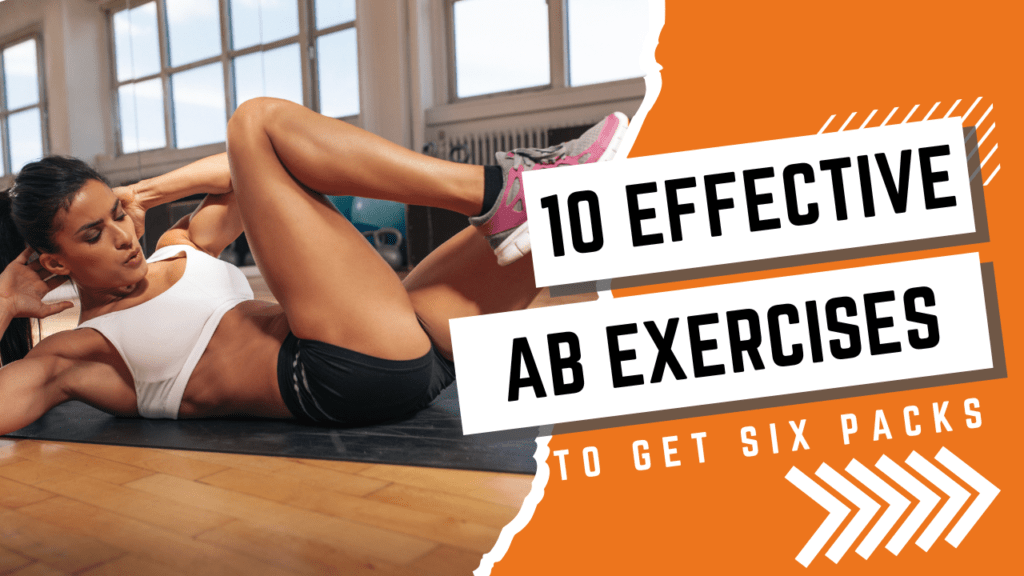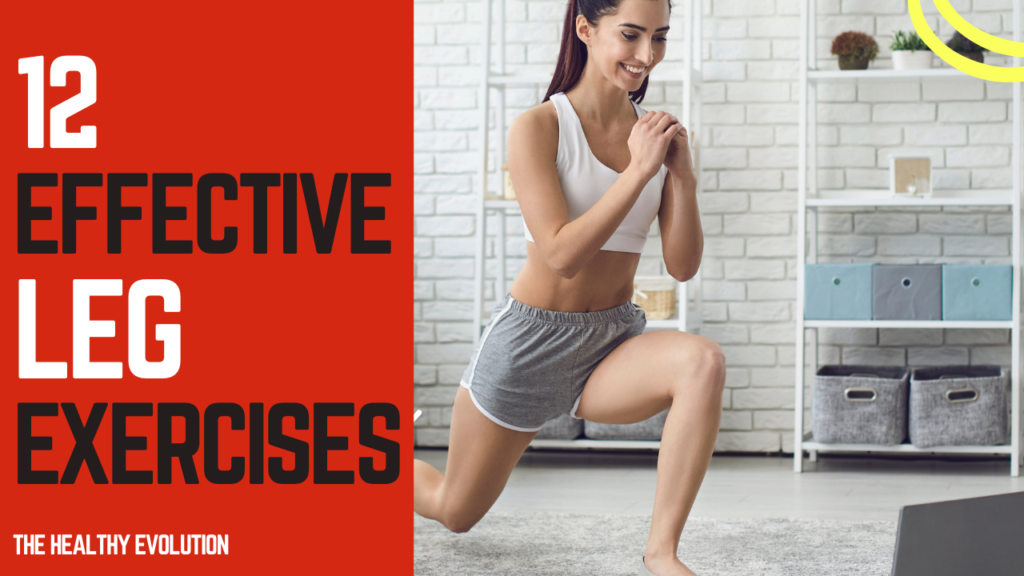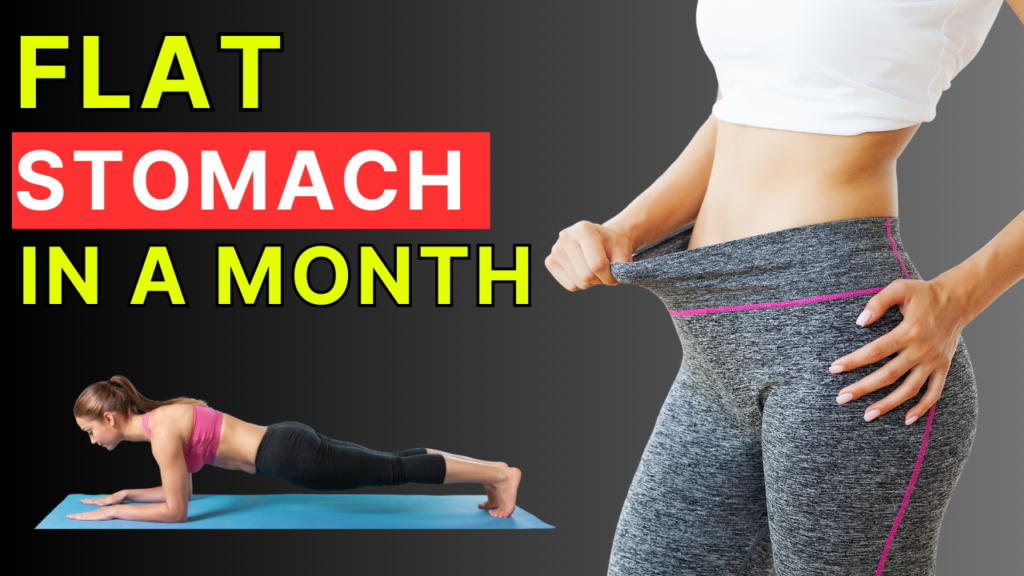
Want a flatter stomach in a month without a gym? It is possible to see a real difference in 4 weeks, but it helps to know what a month can and cannot do. In this guide, I’ll show you a simple home plan that combines eating right, 4 core exercises and daily walking, plus a week-by-week schedule you can follow.
Quick answer: To get a flatter stomach in a month at home, eat in a small calorie deficit, get enough protein, cut down on sugary drinks and fried snacks, walk every day, do core exercises 3 to 4 times a week, and sleep 7 to 9 hours. Most people can lose around 2 to 4 kg of fat in a month and reduce bloating, which together make a visible difference.
Free tool: Not sure how many calories you need? Use our calorie calculator to find your daily target in seconds.
Free tool: Check whether you’re in a healthy weight range with our BMI calculator.
Free tool: Find out your body fat percentage with a tape measure using our body fat calculator.
Can You Really Get a Flat Stomach in a Month?
Yes, you can get a noticeably flatter stomach in a month, but how flat depends on where you are starting from.
- Fat loss: A safe, steady pace is about 0.5 to 1 kg (1 to 2 pounds) per week, according to the CDC. That is roughly 2 to 4 kg in a month.
- Less bloating: Eating more fibre, drinking enough water and cutting salty, processed food can reduce bloating within days.
- Stronger core: Core training improves posture and muscle tone, so your stomach looks firmer even before all the fat is gone.
If you have a lot of belly fat, a month is a great start, not the finish line. Keep the same habits going and the results keep adding up.
Why Ab Exercises Alone Won’t Flatten Your Stomach

You cannot burn fat from one spot by exercising that area. In one study on abdominal exercise, six weeks of ab training alone did not reduce belly fat. Your body loses fat from all over when you are in a calorie deficit. That is why the diet part of this plan matters just as much as the exercises.
Part 1: What to Eat for a Flat Stomach
1. Eat in a Small Calorie Deficit
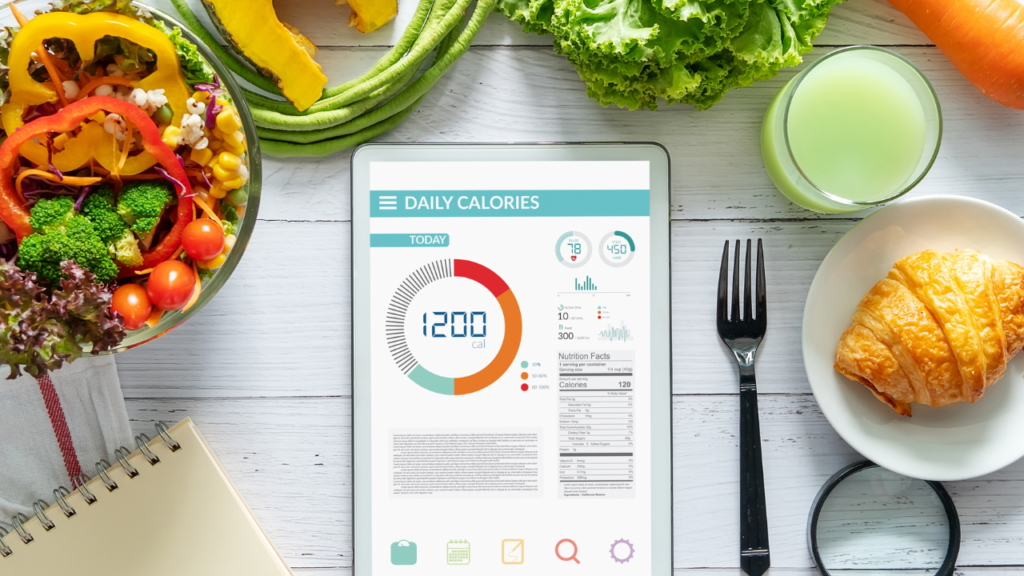
To lose fat, you need to eat slightly fewer calories than your body burns. A small deficit of around 300 to 500 calories a day is enough for most people. Crash diets make you lose muscle, leave you hungry and are hard to keep up for a full month.
- Use a smaller plate and fill half of it with vegetables.
- Cut down on rice and roti portions rather than removing them completely.
- Avoid eating straight from the packet so you know how much you are eating.
2. Get Enough Protein at Every Meal
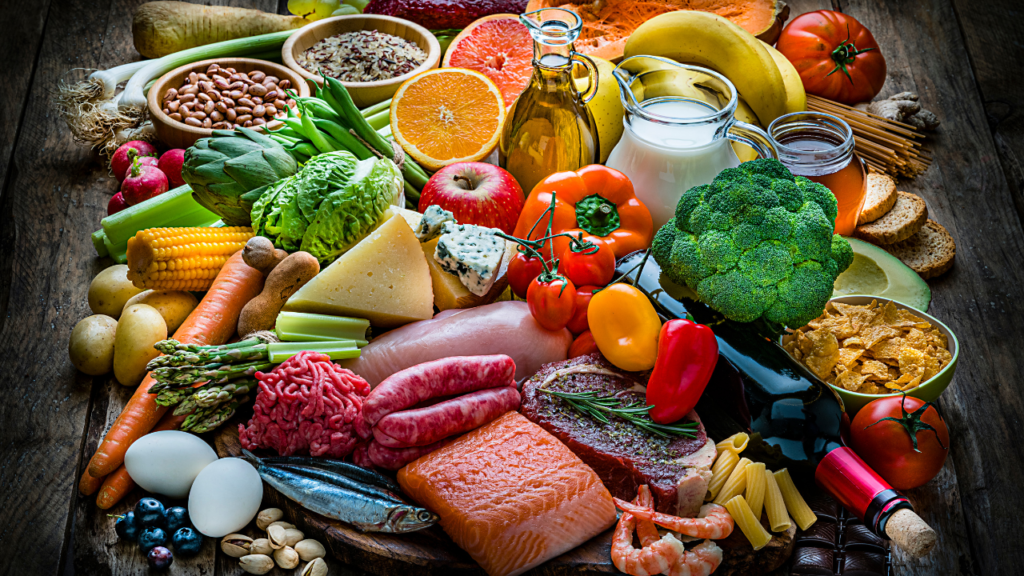
Protein keeps you full for longer and helps you keep your muscle while you lose fat. Try to include a protein source in every meal.
- Vegetarian: paneer, dal, chana, rajma, curd, soya chunks, tofu, sprouts
- Non-vegetarian: eggs, chicken, fish
3. Choose Fibre-Rich Foods to Reduce Bloating
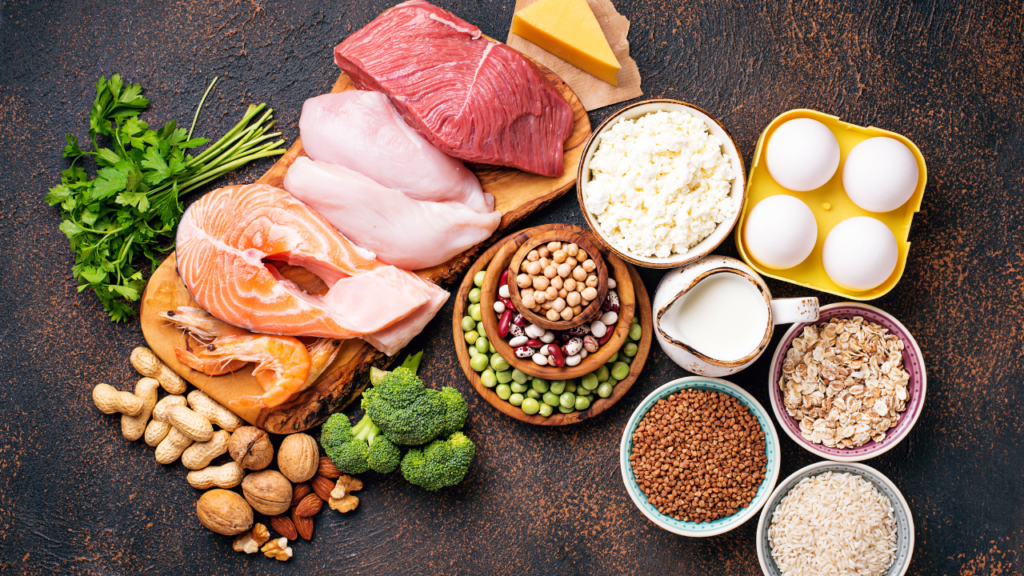
Fibre keeps your digestion regular, which helps with a bloated stomach. Good choices include vegetables, fruits, oats, whole wheat roti, brown rice, dal and seeds like flaxseed and chia. Increase fibre slowly and drink enough water with it, otherwise it can cause more bloating at first.
- Cut down on sugary drinks, packaged juices and sweets.
- Limit fried snacks like samosa, chips and pakoras.
- Reduce very salty and processed foods, which make your body hold on to water.
4. Drink Enough Water

Staying hydrated supports digestion and helps you avoid confusing thirst with hunger. The NHS Eatwell Guide recommends 6 to 8 cups or glasses of fluid a day. You may need more in hot weather or when you exercise. There is no need to force down very large amounts of water.
A simple habit that helps: drink a glass of water before each meal and swap sugary drinks for water, buttermilk or unsweetened tea.
Part 2: Exercises for a Flat Stomach at Home
Do these 4 core exercises 3 to 4 times a week. Rest for 30 to 60 seconds between sets. On the other days, go for a brisk walk.
1. Plank
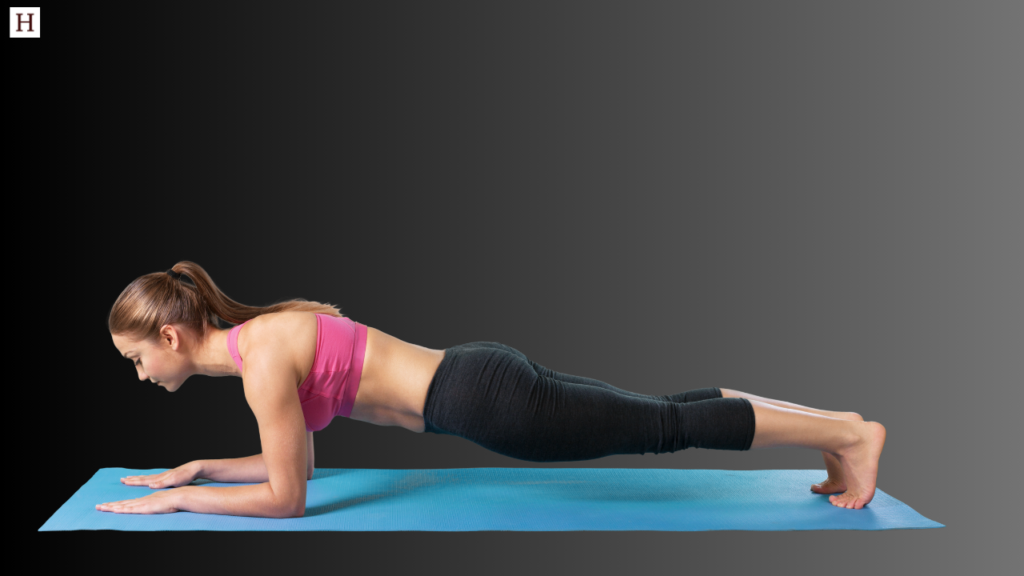
The plank works your whole core, including your deep abdominal muscles, obliques and lower back. It also improves posture, which instantly makes your stomach look flatter.
- Rest your forearms on the floor with your elbows under your shoulders.
- Step your feet back so your body forms a straight line from head to heels.
- Tighten your stomach and squeeze your glutes. Don’t let your hips sag or lift too high.
- Hold for 20 to 30 seconds to start, and add 10 seconds each week.
2. Crunches
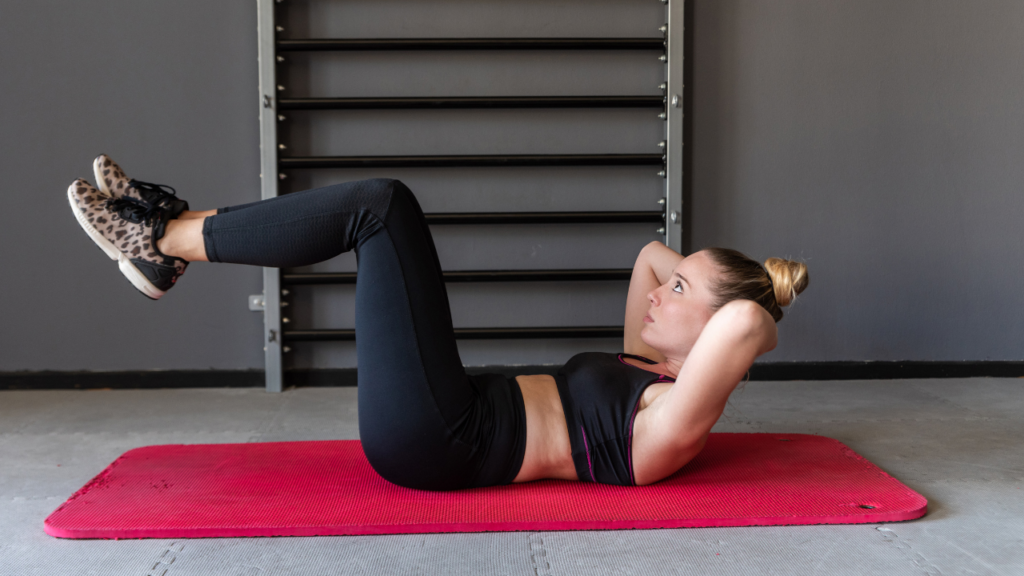
Crunches target the rectus abdominis, the front “six-pack” muscle.
- Lie on your back with your knees bent and feet flat on the floor.
- Place your hands lightly behind your head or cross them over your chest.
- Tighten your core and lift your shoulder blades off the floor. Don’t pull on your neck.
- Lower slowly. Do 3 sets of 12 to 15 reps.
3. Leg Raises
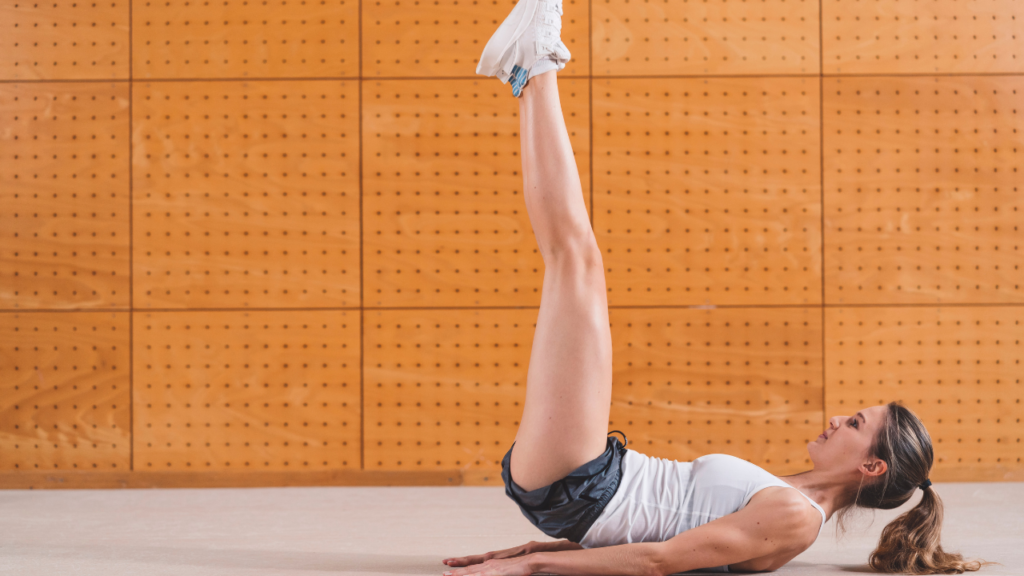
Leg raises focus on your lower abs and hip muscles.
- Lie flat on your back with your legs straight and your hands under your hips for support.
- Keep your lower back pressed into the floor and slowly lift your legs until they point at the ceiling.
- Lower them slowly without letting your feet touch the floor.
- Do 3 sets of 10 to 12 reps. Bend your knees slightly if your lower back lifts off the floor.
4. Russian Twists

Russian twists train your obliques, the muscles at the sides of your waist.
- Sit with your knees bent and feet on the floor.
- Lean back slightly with a straight back.
- Hold your hands together, or hold a water bottle for extra weight, and turn your upper body to one side.
- Turn to the other side. That is one rep. Do 3 sets of 10 to 15 reps per side.
Add Daily Walking and Strength Training
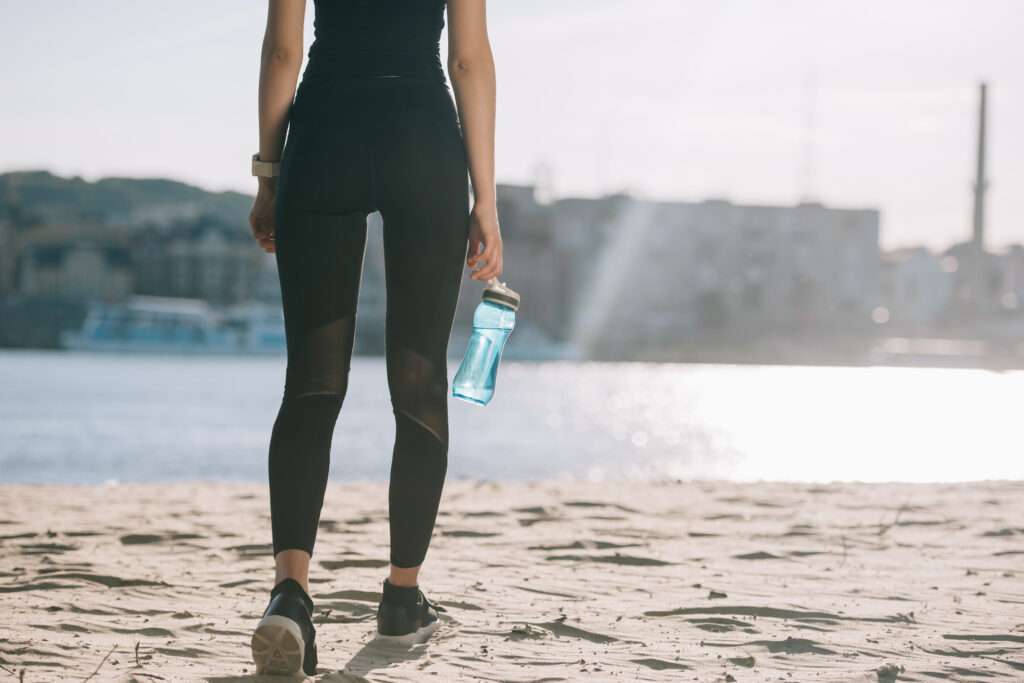
Walking is one of the easiest ways to burn extra calories at home. Aim for 30 to 45 minutes a day, or about 8,000 to 10,000 steps. If you can, add 2 full-body strength sessions a week with squats, push-ups and lunges. Building muscle helps you burn more energy and makes your whole body look more toned.
Your 4-Week Flat Stomach Plan
| Week | Diet focus | Exercise |
|---|---|---|
| Week 1 | Cut sugary drinks and fried snacks. Drink a glass of water before meals. | Walk 30 min daily. Core exercises 3 days: 2 sets each. |
| Week 2 | Add protein to every meal. Use a smaller plate. | Walk 35 min daily. Core exercises 3 days: 3 sets each. |
| Week 3 | Add more vegetables and fibre. Reduce salty, processed food. | Walk 40 min daily. Core exercises 4 days. Add 2 strength sessions. |
| Week 4 | Keep all habits going. Sleep 7 to 9 hours. | Walk 45 min daily. Core exercises 4 days. Longer plank holds. |
Take a photo and measure your waist at the start, then again at the end of each week. The tape measure often shows progress before the scale does.
Frequently Asked Questions
Can I get a flat stomach in 1 month?
You can get a noticeably flatter stomach in one month by losing some fat, reducing bloating and strengthening your core. If you are starting with a lot of belly fat, it will take longer than a month to get a completely flat stomach.
Can I lose only belly fat?
No. You can’t choose where your body loses fat. A calorie deficit, daily walking and strength training reduce fat all over your body, including your stomach.
How much weight can I lose in a month?
A safe and steady rate is about 0.5 to 1 kg per week, so roughly 2 to 4 kg in a month. Losing faster than this usually means losing water and muscle, and the weight often comes back.
Which exercise is best for a flat stomach?
There isn’t one single best exercise. A mix of planks, crunches, leg raises and Russian twists strengthens your core, while walking and a good diet burn the fat on top of it.
The Bottom Line
A flatter stomach in a month comes from doing a few simple things every day: eat a little less, get enough protein and fibre, drink enough water, walk daily and train your core 3 to 4 times a week. Stay consistent for the full 4 weeks and you will see and feel the difference.
This article is for general information only. If you have a medical condition, are pregnant or have recently given birth, please check with your doctor before starting a new diet or exercise plan.
Sources
- CDC: Steps for Losing Weight
- NHS: The Eatwell Guide
- Vispute et al. (2011): The effect of abdominal exercise on abdominal fat, Journal of Strength and Conditioning Research

About the Author: Nikilesh Srinivasan
Nikilesh Srinivasan has been in the fitness industry for more than 6 years and has trained many people, from complete beginners to regular gym-goers. He writes practical workout and nutrition guides based on that experience, checked against trusted research.