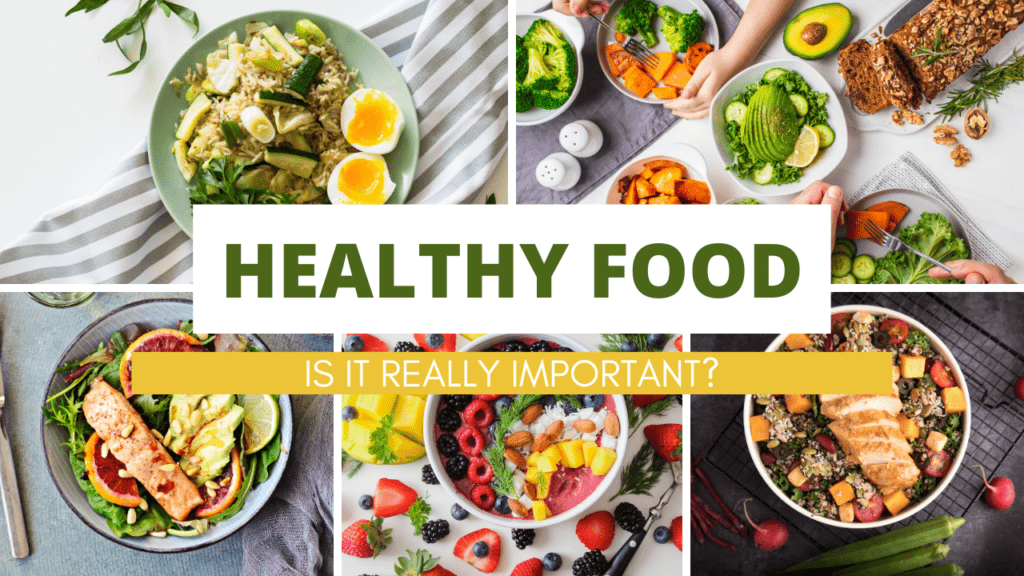
The best healthy carb-rich foods are oats, sweet potatoes, bananas, quinoa, whole grain bread, lentils, brown rice, oranges, buckwheat, chickpeas and amaranth. These carbohydrate foods give you steady energy along with fibre, vitamins, minerals and antioxidants, so they support your health instead of harming it.
Carbohydrates have got a bad name in recent years, and many people link them with weight gain. But the problem is mostly sugar and refined carbs like maida, sweets and sugary drinks, not whole foods. In this guide you will learn what carbs do, the difference between good and bad carbs, the 11 best carbohydrate foods with carbs per 100 g, how many carbs you need each day, and easy Indian ways to eat them.
What Are Carbohydrates?
Carbohydrates are one of the three main macronutrients, along with protein and fat. They are your body’s main source of energy. When you eat carbs, your body breaks them down into glucose, which fuels your brain, muscles and every cell in your body. Extra glucose is stored in your muscles and liver as glycogen, which your body uses during exercise.
There are three main types of carbohydrates:
- Sugars: simple carbs found naturally in fruit and milk, and added to sweets, soft drinks and packaged foods.
- Starches: complex carbs found in grains, potatoes, beans and lentils.
- Fibre: a type of carb your body cannot digest. It feeds your gut bacteria, helps digestion and keeps you full.
Good Carbs vs Bad Carbs
Not all carbs are the same. Healthy, “good” carbs come from whole foods that still have their fibre and nutrients. They digest more slowly, so they give you steady energy and do not spike your blood sugar as much.
- Choose more often: oats, brown rice, millets (ragi, jowar, bajra), whole wheat roti, dal, beans, chickpeas, fruits, vegetables, sweet potatoes and quinoa.
- Limit: white bread, maida products, sugary cereals, biscuits, cakes, sweets, soft drinks, packaged juice and fried snacks.
Refined carbs have most of their fibre removed, so they digest quickly, raise blood sugar fast and leave you hungry again soon. Eating a lot of them is linked with weight gain, type 2 diabetes and heart disease.
Benefits of Healthy Carb-Rich Foods
- Steady energy for your daily activities and workouts
- Better digestion thanks to their fibre
- Heart health: whole grains, oats and legumes help lower cholesterol
- Better blood sugar control compared with refined carbs
- Better workout performance: carbs refill your muscle glycogen, which helps you train harder and recover faster
Healthy High-Carb Foods List (Carbs per 100 g)
Here is a quick look at the carbs in each food. Values are approximate and change with brand and cooking method.
| Food | Carbs | Fibre |
|---|---|---|
| Buckwheat (dry) | About 72 g per 100 g | About 10 g |
| Oats (dry) | About 66 g per 100 g | About 10 g |
| Amaranth (dry) | About 65 g per 100 g | About 7 g |
| Quinoa (dry) | About 64 g per 100 g | About 7 g |
| Whole grain bread | About 41 g per 100 g | About 7 g |
| Chickpeas (cooked) | About 27 g per 100 g | About 8 g |
| Brown rice (cooked) | About 25 g per 100 g | About 2 g |
| Banana | About 23 g per 100 g | About 2.5 g |
| Sweet potato (cooked) | About 21 g per 100 g | About 3 g |
| Lentils (cooked) | About 20 g per 100 g | About 8 g |
| Orange | About 12 g per 100 g | About 2.5 g |
11 Healthy High-Carbohydrate Foods to Eat
Here are the 11 best healthy carbohydrate foods, what makes them good for you, and simple ways to add them to your diet.
1. Oats
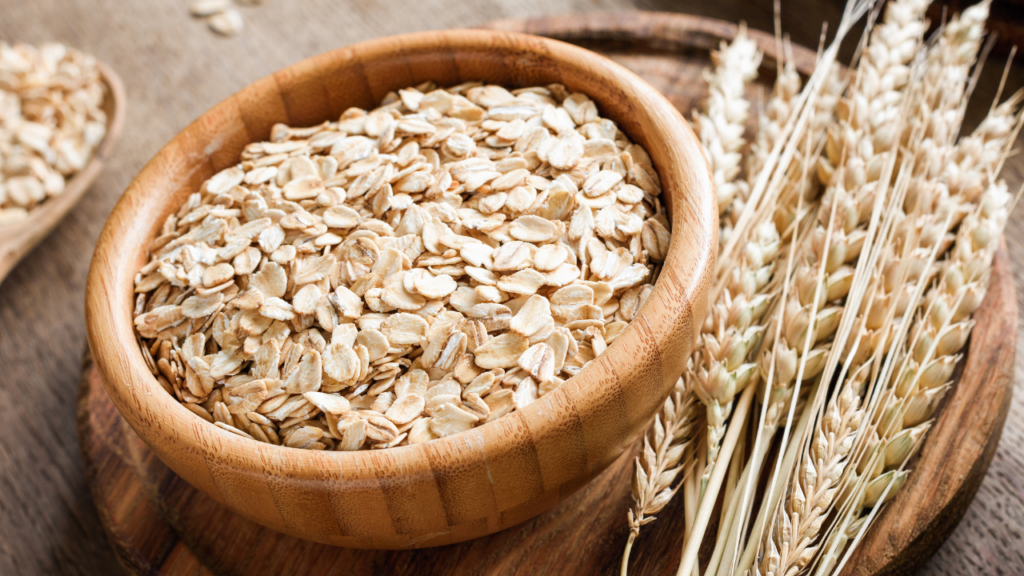
Oats are one of the best sources of healthy carbohydrates. About two-thirds of an oat grain is carbohydrate, mostly in the form of starch, which is a complex carbohydrate that gives you long-lasting energy.
Oats are rich in beta-glucan, a soluble fibre that helps lower cholesterol, keeps you full and slows down the rise in blood sugar after a meal. They also contain B vitamins, manganese, phosphorus and iron, and a good amount of protein for a grain.
Oats support digestion, heart health and weight management. Choose rolled or steel-cut oats over sugary instant oat packets. You can combine oats with fruits, nuts, curd, milk or whey protein, or make savoury vegetable oats, oats upma or oats idli.
Carbohydrate content: 100 g of dry oats contains about 66 g of carbs.
The Healthy Evolution
2. Sweet Potatoes

Sweet potatoes (shakarkandi) are a delicious and healthy carbohydrate food. Their carbs come from starch, natural sugars and fibre, which give steady energy.
Sweet potatoes are loaded with antioxidants, especially beta-carotene, which your body turns into vitamin A. Diets rich in antioxidants are linked with a lower risk of some chronic diseases. Sweet potatoes also provide vitamin C, B vitamins, potassium and copper.
Their fibre helps digestion and keeps you full. Boiling or baking them with the skin on is healthier than frying. Try roasted sweet potato chaat, or add them to sabzis and soups.
Carbohydrate content: 100 g of cooked sweet potato contains about 21 g of carbs.
The Healthy Evolution
3. Banana
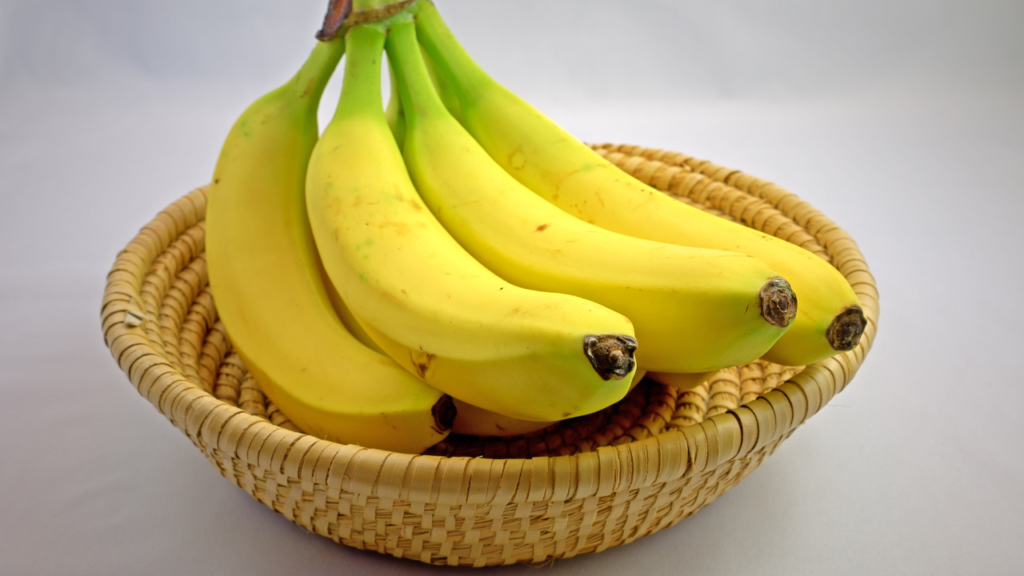
Bananas are a healthy high-carbohydrate fruit that is easy to digest and carry. The carbs in a ripe banana are mostly natural sugars (glucose, fructose and sucrose). Less ripe bananas have more resistant starch, which acts like fibre.
Bananas contain vitamin C, vitamin B6 and potassium. Potassium helps control blood pressure and supports nerve and muscle function. Bananas are one of the best pre-workout snacks because they give quick, easy energy. Pair a banana with peanut butter, curd or nuts to make it more filling.
Carbohydrate content: 100 g of banana contains about 23 g of carbs. A medium banana has about 27 g.
The Healthy Evolution
4. Quinoa

Quinoa is a carb-rich seed that is cooked and eaten like a grain. It gives you complex carbohydrates along with protein, fibre, vitamins, minerals and antioxidants.
Quinoa is rich in magnesium, phosphorus, iron, manganese and B vitamins. It is not only high in carbohydrates but also higher in protein than most grains, and it is a complete protein because it has all nine essential amino acids. It also contains antioxidants like quercetin and kaempferol that help protect your cells.
Quinoa is gluten-free, helps with blood sugar control and digestion, and makes an easy swap for rice in pulao, khichdi or salads.
Carbohydrate content: 100 g of dry quinoa contains about 64 g of carbs. 100 g of cooked quinoa has about 21 g.
The Healthy Evolution
5. Whole Grain Bread
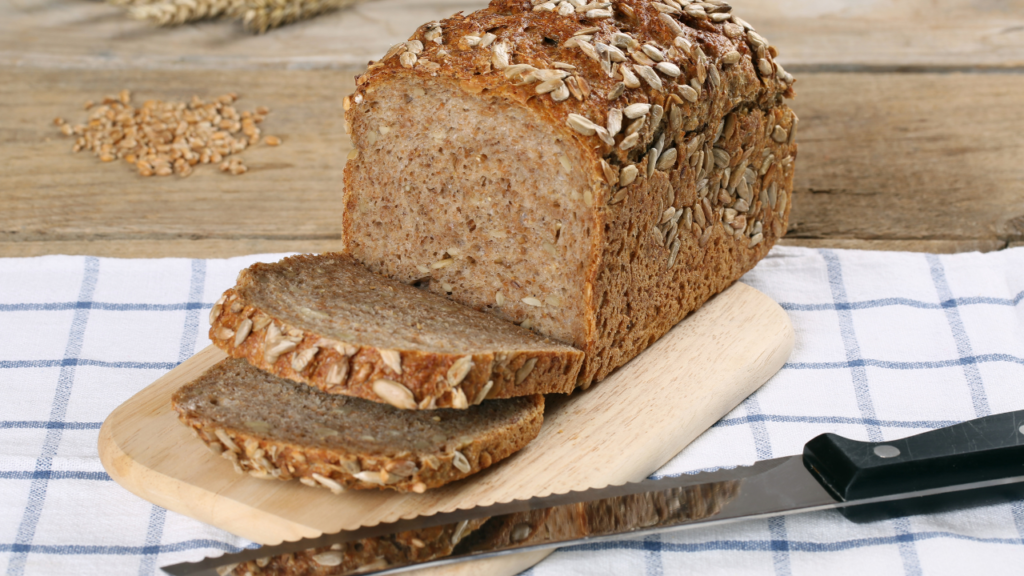
Whole grain bread is a carbohydrate-rich food made from whole grains. The main carbohydrate in bread is starch, a complex carbohydrate that gives steady energy.
Whole grain bread is much higher in fibre than white bread. White bread is made from refined flour (maida), which has the bran and germ removed. Whole grain bread keeps the bran and germ, which contain the fibre and many nutrients, including thiamine (B1), riboflavin (B2), iron, zinc and manganese.
It supports healthier blood sugar and digestion compared with white bread. When you shop, check that the first ingredient is “whole wheat” or “whole grain” flour. Many “brown” breads are mostly maida with colour added.
Carbohydrate content: 100 g of whole grain bread contains about 41 g of carbs.
The Healthy Evolution
6. Lentils
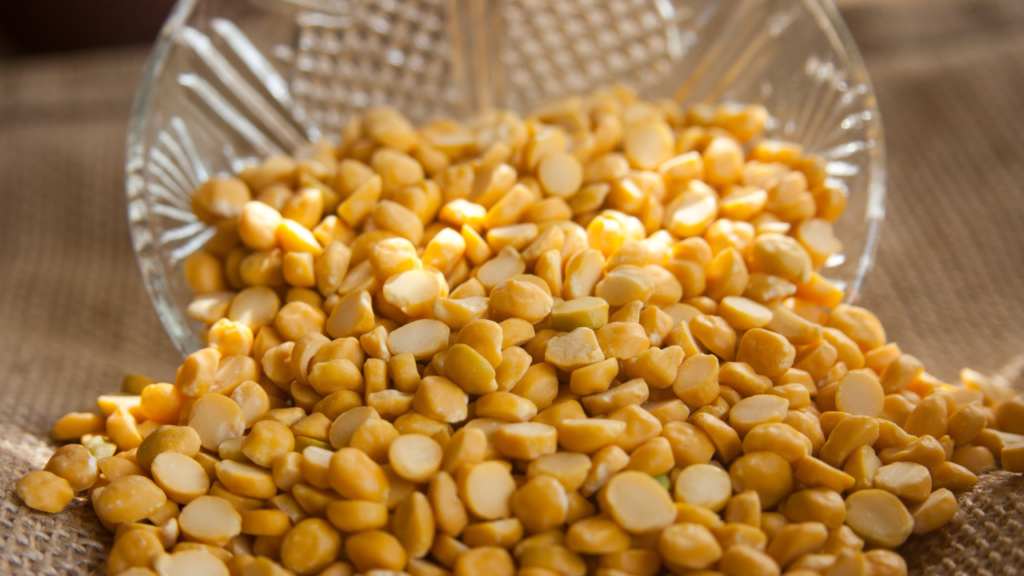
Lentils (dal) are a carb-rich food that gives you complex carbohydrates, fibre, protein, vitamins and minerals. They are a staple in Indian homes as moong, masoor, toor and urad dal.
The carbohydrates in lentils digest slowly and give steady energy. Lentils are also high in protein, with about 18 grams per cooked cup, which makes them very important for vegan and vegetarian people. They are low in one amino acid (methionine), so eat them with rice or roti, as in dal-chawal, to get a complete protein.
Lentils contain thiamine (B1), folate, iron, zinc, potassium and manganese. They support healthy blood sugar levels, heart health and digestion.
Carbohydrate content: One cooked cup (198 g) of lentils contains about 40 g of carbs, including about 16 g of fibre.
The Healthy Evolution
7. Brown Rice

Rice is one of the most popular carbohydrate foods in the world because it is high in carbs and low in fat. Most of the carbohydrates in rice are starch, which gives a good amount of energy. A typical plate of cooked rice (about 1 cup) has around 45 to 50 grams of carbs.
Brown rice is the whole grain version, so it keeps its bran and germ. It is a good source of manganese, magnesium, phosphorus and B vitamins, and has more fibre than white rice, about 3 g per cooked cup (195 g). Brown rice can take some getting used to, so you can start by mixing it half and half with white rice.
Carbohydrate content: 100 g of cooked brown rice contains about 25 g of carbs.
The Healthy Evolution
8. Orange
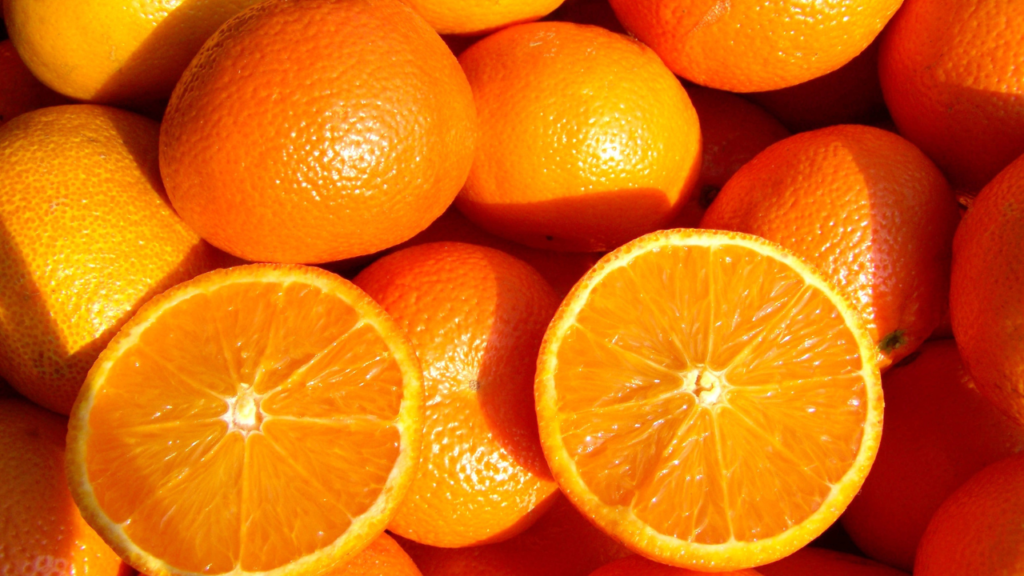
Oranges are a nutritious fruit with a moderate amount of carbohydrates. Their carbs are natural sugars (glucose, fructose and sucrose) along with fibre, which slows down how fast the sugar is absorbed.
Oranges are rich in vitamin C, vitamin A, potassium and folate. They contain antioxidants like carotenoids and flavonoids that help protect your cells. A medium orange gives about 3 g of fibre. Oranges support your immune system, heart health and skin health.
Eat whole oranges instead of drinking orange juice. Juice has the sugar but loses most of the fibre, so it is easier to overdo.
Carbohydrate content: 100 g of orange contains about 12 g of carbs.
The Healthy Evolution
9. Buckwheat
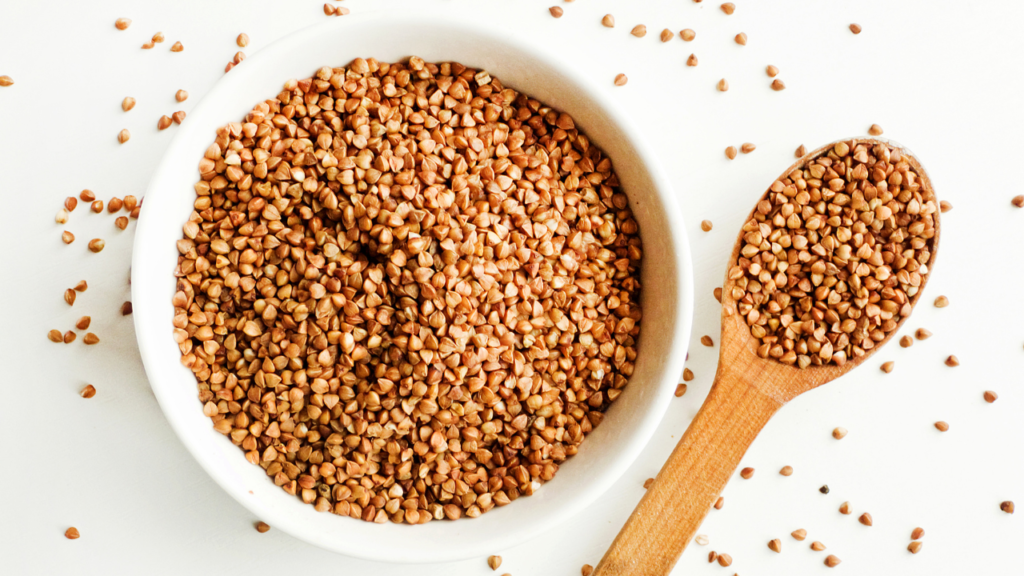
Buckwheat (kuttu) is a significant source of energy because it is mostly carbohydrate, in the form of starch. These complex carbs give out steady, long-lasting energy. In India, kuttu atta is popular during fasting days.
Despite its name, buckwheat is not related to wheat and is naturally gluten-free. It is also a good plant protein because it contains all nine essential amino acids, which is helpful for vegans and vegetarians. Buckwheat contains B vitamins, manganese, magnesium, phosphorus, iron and the antioxidant rutin.
It is good for heart health, blood sugar control and healthy digestion. Use it as kuttu roti, chilla or porridge, but avoid deep-fried kuttu puris if you are watching your weight.
Carbohydrate content: 100 g of dry buckwheat contains about 72 g of carbs.
The Healthy Evolution
10. Chickpeas
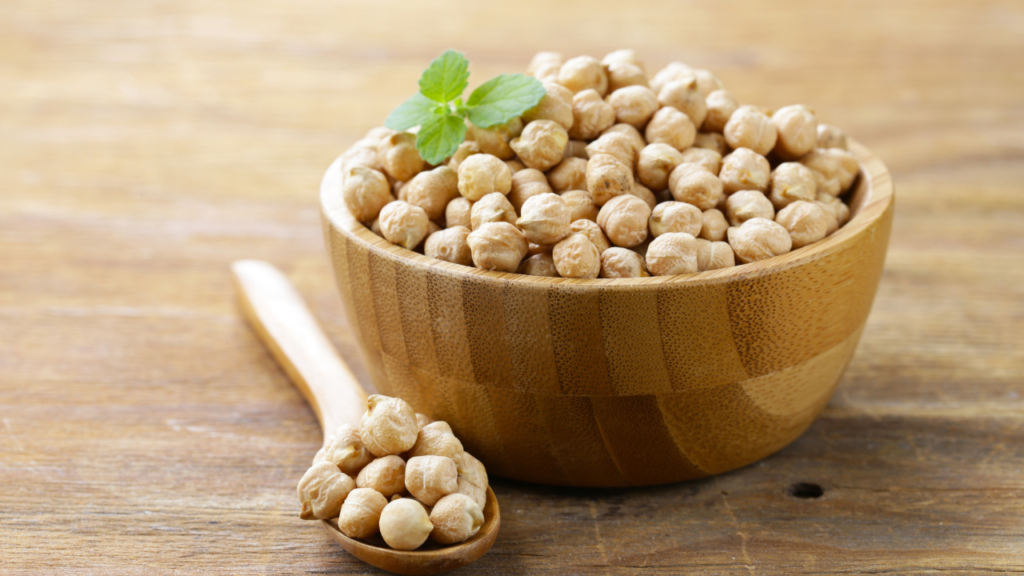
Chickpeas, also called garbanzo beans or kabuli chana, are a legume with a good amount of carbohydrates, mostly in the form of starch. They give a slow and long-lasting release of energy.
Chickpeas are also a good source of protein and fibre, with about 9 g of protein and 8 g of fibre per 100 g when cooked. They contain manganese, iron, magnesium, phosphorus, folate and B vitamins.
Chickpeas help with healthy digestion, keep you full and support blood sugar control. Enjoy them as chole, chana chaat, hummus or roasted chana.
Carbohydrate content: 100 g of cooked chickpeas contains about 27 g of carbs.
The Healthy Evolution
11. Amaranth
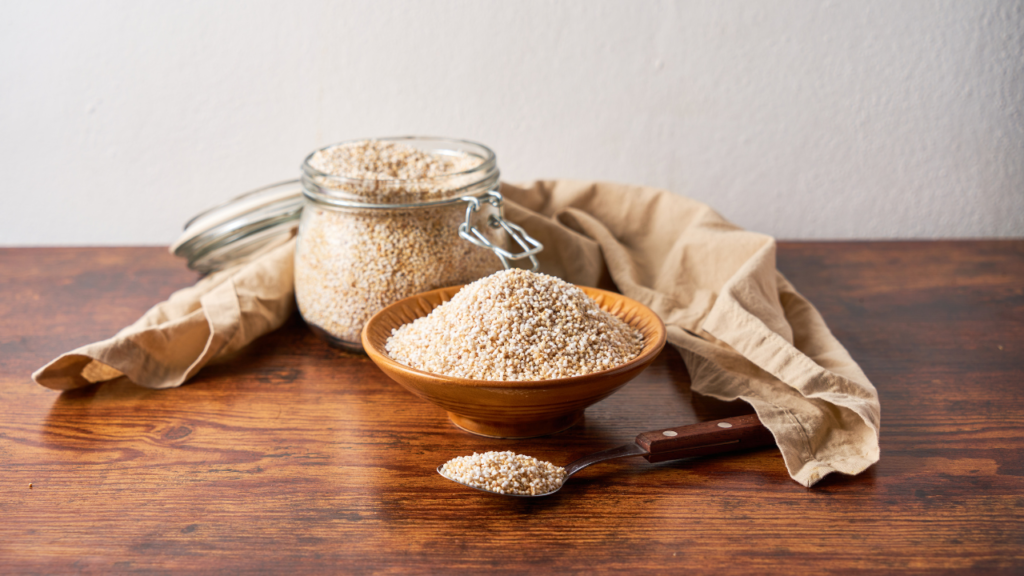
Amaranth (rajgira or ramdana) is a high-carbohydrate ancient grain packed with nutrients. Its carbs are complex carbohydrates in the form of starch, which give steady energy.
Amaranth is high in protein, with about 9 grams per cooked cup, and it contains all nine essential amino acids, which is important for vegans and vegetarians. It is rich in calcium, iron, magnesium, phosphorus and manganese, and contains antioxidants that help protect your cells. It is also naturally gluten-free.
Amaranth supports healthy digestion, blood sugar levels and overall health. Try rajgira laddoo (with less sugar), rajgira roti, puffed amaranth with milk, or amaranth porridge.
Carbohydrate content: 100 g of dry amaranth contains about 65 g of carbs.
The Healthy Evolution
Other Healthy Carb-Rich Foods
Many everyday Indian foods are also excellent carb sources:
- Millets: ragi, jowar, bajra and foxtail millet are high in fibre and minerals.
- Whole wheat roti and dalia (broken wheat)
- Poha and idli: light, easy-to-digest carbs, especially when made with vegetables.
- Beans: rajma, lobia and black beans give carbs, protein and fibre.
- Potatoes: healthy when boiled or baked with the skin, not fried.
- Fruits: apples, mangoes, guava, papaya, grapes and dates.
- Corn and green peas
How Many Carbs Should You Eat Per Day?
Most health guidelines suggest that about 45 to 65 percent of your daily calories come from carbohydrates. On a 2,000-calorie diet, that is about 225 to 325 grams of carbs a day. Your exact needs depend on your body size, activity level and goals.
- Very active people and athletes may need more carbs to fuel training.
- People trying to lose weight can do well with a moderate amount of carbs, as long as they come mostly from whole foods and total calories are in check.
- People with diabetes should work with their doctor or dietitian, because the amount and type of carbs affect blood sugar directly.
Aim for at least 25 to 30 grams of fibre a day by choosing whole grains, legumes, fruits and vegetables over refined carbs.
Best Carbs to Eat Before and After a Workout
Carbs are your muscles’ main fuel during hard exercise. Eat easy-to-digest carbs like a banana, oats, toast or a small bowl of rice 1 to 2 hours before training. After your workout, pair carbs with protein to refill your energy and help your muscles recover, for example rice with dal and paneer, oats with milk and banana, or a roti wrap with chicken or tofu.
Tips for Eating Healthy Carbs
- Fill about a quarter of your plate with whole grains, half with vegetables and a quarter with protein.
- Swap white rice, white bread and maida for brown rice, millets, whole wheat roti and whole grain bread, at least some of the time.
- Eat whole fruit instead of fruit juice.
- Pair carbs with protein, fibre and a little healthy fat to keep blood sugar steady and stay full for longer.
- Watch portion sizes, especially of rice, roti and sweets, if you are trying to lose weight.
- Read labels and avoid foods with lots of added sugar.
Are High-Carb Foods Bad for Weight Loss?
No. Healthy high-carb foods can be part of a weight loss diet. What matters most is your total calorie intake and the quality of your carbs. Whole-food carbs like oats, dal, fruit and vegetables are filling and full of fibre, which helps you eat less overall. Refined carbs and sugary foods are easy to overeat and are the ones to limit. If you prefer to eat fewer carbs, see our list of high-calorie low-carb foods.
Frequently Asked Questions
What are healthy high carbohydrate foods?
Oats, brown rice, quinoa, sweet potatoes, potatoes, bananas, beans, lentils, chickpeas, whole wheat roti and fruits are healthy high-carb foods.
What is the difference between simple and complex carbs?
Simple carbs, like sugar and juice, digest fast and spike blood sugar. Complex carbs, like oats, dal and whole grains, digest slowly and come with fibre and nutrients.
Are high carb foods bad for weight loss?
No. Whole-food carbs can be part of a weight loss diet. What matters is your total calories and choosing fibre-rich carbs over sugary or refined ones.
How many carbs should I eat per day?
Guidelines suggest about 45 to 65 percent of daily calories from carbs for most adults. Active people may need more; people on low-carb diets eat much less.
Which carbs are best before a workout?
Easy-to-digest carbs like a banana, oats, toast or rice 1 to 2 hours before training give you energy.
What are good low carb alternatives?
If you want fewer carbs, try cauliflower rice, more vegetables, paneer, eggs and nuts. See high calorie low carb foods.
Which Indian food has the most carbohydrates?
Rice, wheat (roti), poha, millets, potatoes, dals and beans are the main carbohydrate foods in an Indian diet. Choose whole grain and high-fibre versions most of the time.
The Bottom Line
These 11 healthy high-carbohydrate foods give you steady energy plus fibre, vitamins, minerals, antioxidants and, in many cases, protein. From the beta-carotene in sweet potatoes to the fibre in lentils and the vitamin C in oranges, they show that carbohydrates can be both healthy and delicious.
Focus on whole, minimally processed carbs, limit sugar and refined foods, and match your portions to your activity level. Whether you are a fitness lover, an athlete or just want a balanced diet, these healthy carb-rich foods will help you feel energised and support your overall health. For more ideas on a balanced plate, see our guide to healthy high-fat foods.
Sources
Read More:
Top 15 High-Calorie Low-Carb Foods That Are Healthy
The 10 High-Fat Foods That Are Very Healthy
20 Best Protein Foods for Vegetarians
25 Delicious High-Fiber Rich Foods
The Best 55 Healthy Foods to Eat

About the Author: Nikilesh Srinivasan
Nikilesh Srinivasan has been in the fitness industry for more than 6 years and has trained many people, from complete beginners to regular gym-goers. He writes practical workout and nutrition guides based on that experience, checked against trusted research.