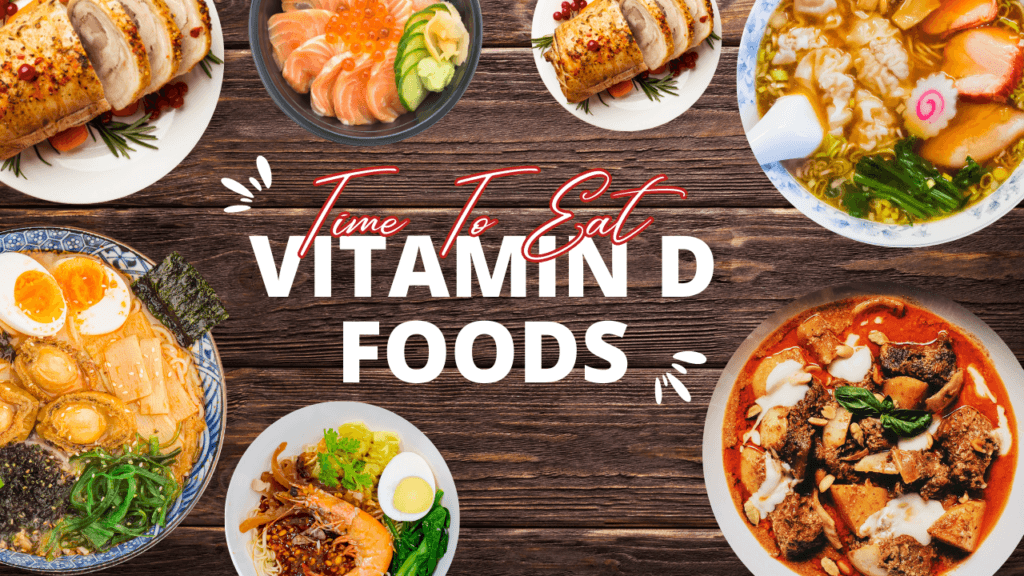
The best vitamin D foods are fatty fish like salmon, herring and sardines, cod liver oil, UV-exposed mushrooms, egg yolks and fortified foods like milk, plant milks and cereals. Very few foods are naturally rich in vitamin D, though, so for most people sunlight, and sometimes a supplement, fills the gap.
Vitamin D plays a big role in your body. It helps you absorb calcium for strong bones, keeps your muscles working properly and supports your immune system. And deficiency is very common, especially in India, where many people spend most of the day indoors, cover up outside and eat a mostly vegetarian diet.
Below you’ll find how much vitamin D you need each day, the 9 best foods to get it from, with realistic amounts per serving, plus vegetarian options, the role of sunlight and who may need a supplement.
How Much Vitamin D Do You Need Per Day?
According to the US National Institutes of Health (NIH), the daily recommended amounts are:
| Age | Recommended amount per day |
|---|---|
| 0 to 12 months | 400 IU (10 mcg) |
| 1 to 70 years | 600 IU (15 mcg) |
| 71 years and above | 800 IU (20 mcg) |
| Pregnant or breastfeeding | 600 IU (15 mcg) |
These are basic guidelines, and they can differ slightly between countries. Your own needs depend on things like your skin tone, how much sun you get, your weight and any health conditions. If a blood test shows you’re low, your doctor may give you a much higher dose for a while to bring your levels back up.
A quick note on units: 1 microgram (mcg) of vitamin D equals 40 IU. Labels use either one.
Here are the 9 best foods that contain vitamin D.
9 Best Vitamin D Foods to Eat
1. Salmon

Salmon is a fatty fish and one of the best food sources of vitamin D. It’s also rich in omega-3 fatty acids, which support your heart and brain.
Salmon has a variety of other nutrients too: vitamin B6, vitamin B12 and vitamin A, plus minerals like selenium, magnesium and phosphorus. It’s high in protein, which helps you build muscle and repair tissue, and it’s fairly low in calories. Check out more high-protein foods if that’s your goal.
Wild salmon usually has more vitamin D than farmed salmon. Canned salmon with the soft bones is a cheaper option that also gives you calcium.
Vitamin D content: 100 g of salmon gives you roughly 500 to 1,000 IU, depending on whether it’s wild or farmed.
2. Beef Liver

Beef liver is one of the most nutrient-dense foods you can eat. It’s high in protein and low in fat and calories, and it’s loaded with vitamin A, vitamin B12, iron, zinc, copper and selenium. These support skin health, bone health and overall growth and development.
To be honest, its vitamin D content is modest. It’s in this list because it gives you a little vitamin D along with a lot of other nutrients, not because it’s a top source. Eat it in moderation: liver is extremely high in vitamin A, and too much vitamin A over time can be harmful, especially during pregnancy. Once a week is plenty.
Vitamin D content: 100 g of cooked beef liver gives you about 50 IU.
3. Mushrooms
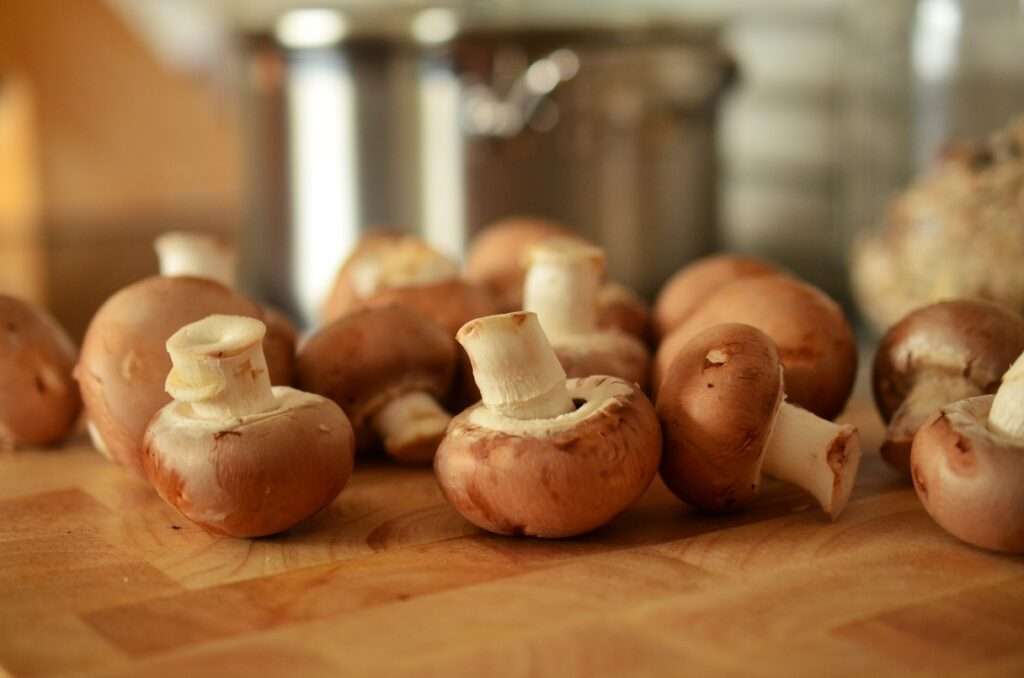
Mushrooms are the only plant food that can make a good amount of vitamin D. Like your skin, they produce it when they’re exposed to UV light. Mushrooms grown in the dark have very little, but UV-treated or sun-exposed mushrooms can have a lot.
A simple trick: place sliced mushrooms in direct midday sun for 15 to 60 minutes before cooking, gills facing up. This can raise their vitamin D content a lot.
Mushrooms are also low in fat and calories and contain B vitamins, so they’re a great choice when you’re watching your calorie intake. Add them to omelettes, sabzi, pulao or stir-fries.
Vitamin D content: Half a cup of UV-exposed mushrooms can give you around 300 to 400 IU. Regular mushrooms grown in the dark have very little.
4. Egg Yolks
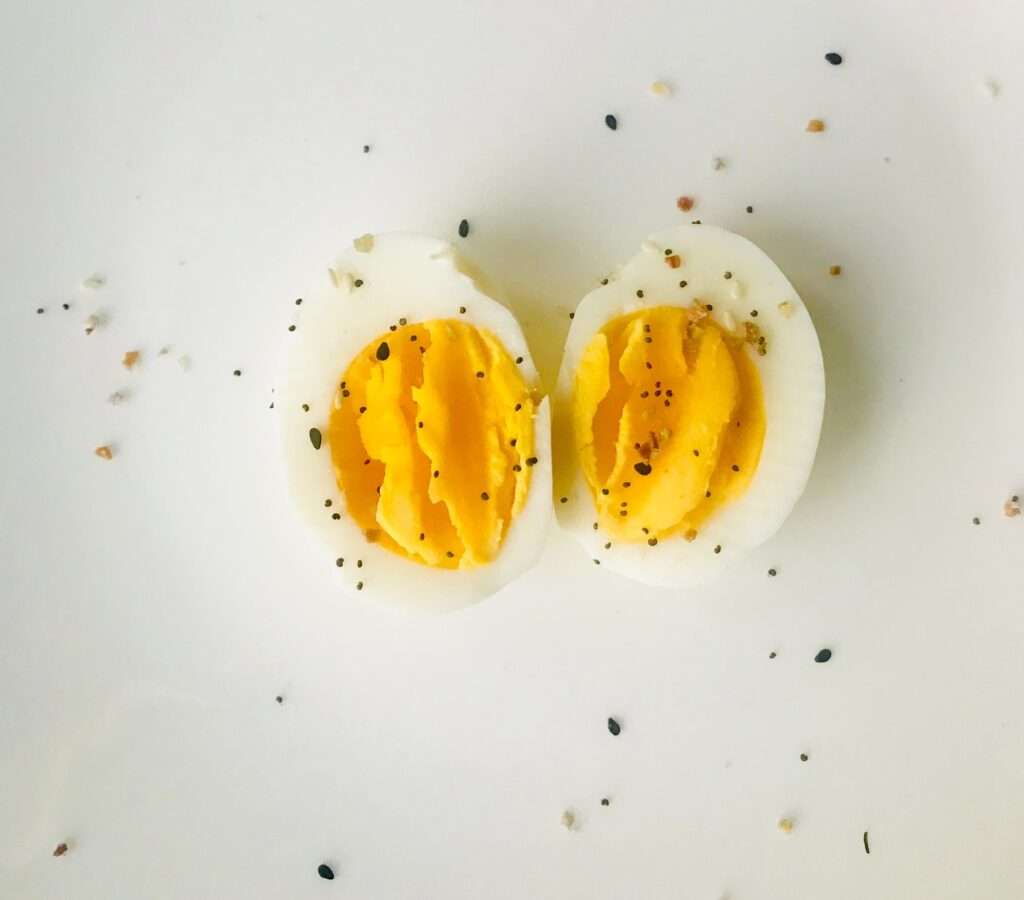
Whole eggs are a good, cheap source of vitamin D, and it’s all in the yolk. The egg white gives you most of the protein, but the yolk holds the fat, vitamins and minerals, including vitamin A for your eyes, skin and immunity, and vitamin D for your bones.
So don’t throw the yolks away. For most healthy people, eating 1 to 2 whole eggs a day is fine as part of a balanced diet. Eggs from hens raised outdoors or fed vitamin D-enriched feed can have several times more.
Vitamin D content: One large egg gives you about 40 to 45 IU.
5. Fortified Milk and Plant-Based Milk

Since there are only a few natural sources of vitamin D, fortified foods are very useful, especially if you’re vegetarian or vegan. Many brands of cow’s milk in India are now fortified with vitamins A and D, so check the label. Plant-based milks are often fortified too. For more protein options without meat, see these high-protein vegetarian foods.
Soy Milk
Soy milk is made from soybeans and is nutritionally close to cow’s milk. Fortified versions contain vitamin D, vitamin B12, calcium, iron, protein and healthy fats. It can support heart and bone health and may help lower cholesterol. Choose unsweetened soy milk to avoid added sugar.
Almond Milk
Almond milk is made from almonds. Fortified almond milk contains vitamin D, vitamin E and calcium, but it’s low in protein, so don’t rely on it as a protein source. Pair it with other calcium-rich foods for strong bones.
Oat Milk
Oat milk is a popular plant milk made from oats. Fortified oat milk has vitamin D and B12 and some fibre. It’s naturally a bit sweet and higher in carbs than other plant milks.
Vitamin D content: A 250 ml glass of fortified milk or plant milk usually gives you about 100 to 130 IU. Amounts vary by brand, so check the label.
6. Cod Liver Oil
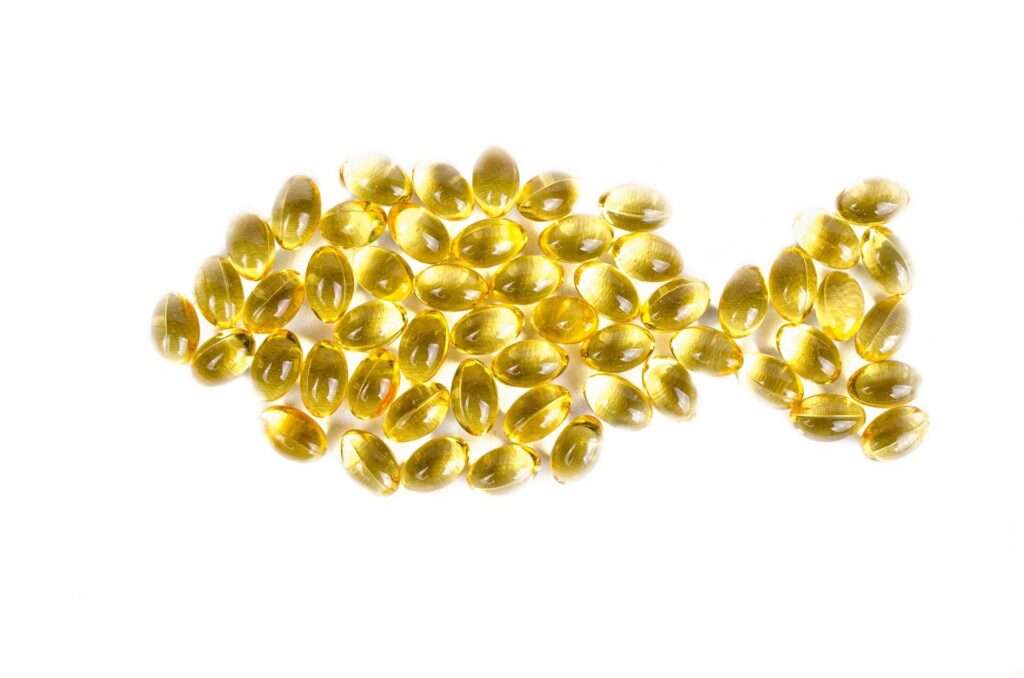
Cod liver oil is one of the richest sources of vitamin D you can get. If you don’t like eating fish, it’s an easy way to get fish nutrients. It’s also rich in vitamin A and in the omega-3 fatty acids EPA and DHA, which support heart and brain health and help lower inflammation.
Because it’s so high in vitamin A, stick to the dose on the label and don’t combine it with other vitamin A supplements unless your doctor says so.
Vitamin D content: One teaspoon (5 ml) of cod liver oil gives you about 450 IU.
7. Fortified Cereals

Many breakfast cereals are fortified, which means vitamins and minerals like vitamin D, calcium, iron, zinc, folic acid and B vitamins are added during processing. Fortified cereal with fortified milk can give you a decent start to your day.
The catch is that many cereals are also high in sugar. Pick one with less than about 5 to 6 g of sugar per serving, or have fortified oats. For other ideas, see these healthy breakfast foods.
Vitamin D content: One serving of fortified cereal usually gives you about 40 to 100 IU. Check the label.
8. Herring and Sardines

Herring is a small oily fish eaten around the world. It’s nutrient-dense, with vitamin D, vitamins B3, B6 and B12, and minerals like phosphorus, selenium and potassium. Like salmon, it’s rich in the omega-3s EPA and DHA, which support your heart and brain and help keep cholesterol in a healthy range.
If herring isn’t easy to find where you live, sardines (mathi or chaala in South India) and Indian mackerel (bangda) are great local oily fish with vitamin D and omega-3s. They’re usually cheaper than salmon too.
Vitamin D content: Fresh herring can give you several hundred IU per 100 g. Pickled herring has less. Canned sardines give you about 150 to 200 IU per 100 g.
9. Canned Tuna

Canned tuna is a convenient, affordable source of protein, and it gives you some vitamin D, vitamin B12 and selenium too. It also has omega-3s for your heart and brain.
Its vitamin D content is lower than salmon or sardines, so think of it as a bonus rather than your main source. Light tuna is lower in mercury than albacore (white) tuna, so it’s the better choice for regular eating. Keep it to 2 to 3 servings a week.
Vitamin D content: 100 g of canned light tuna gives you about 40 to 50 IU.
Can You Get Enough Vitamin D From Food Alone?
For most people, it’s hard. Look at the numbers above. Unless you eat oily fish several times a week or take cod liver oil, reaching 600 IU a day from food alone is tough, and for vegetarians it’s even harder.
That’s why sunlight matters so much. Your skin makes vitamin D when it’s exposed to UVB rays. For many people, 10 to 30 minutes of midday sun on your arms and legs a few times a week helps. People with darker skin need more time, and sunscreen, clothing, pollution and staying indoors all reduce how much you make. Never burn your skin to get vitamin D.
Signs of Vitamin D Deficiency
Low vitamin D often has no clear symptoms at first. When it does show up, it can look like:
- Tiredness and low energy
- Bone pain or lower back pain
- Muscle weakness, aches or cramps
- Getting sick often
- Low mood
- Slow healing of wounds
These signs can have many other causes, so the only way to know is a simple blood test (25-hydroxy vitamin D). Ask your doctor if you have symptoms or are in a higher-risk group.
Who Is More Likely to Be Low?
- People who spend most of their time indoors or cover most of their skin outdoors
- People with darker skin
- Vegetarians and vegans who don’t eat fortified foods
- Older adults
- People with obesity
- People with conditions that affect fat absorption, like Crohn’s or celiac disease
- Exclusively breastfed babies
Should You Take a Vitamin D Supplement?
If you’re low or in a high-risk group, a supplement is the easiest fix. Vitamin D3 (cholecalciferol) is the most common form and raises blood levels well. Take it with a meal that has some fat in it for better absorption.
Don’t take very high doses on your own. Too much vitamin D builds up in your body and can raise your calcium levels, causing nausea, weakness and kidney problems. The NIH sets the upper limit for adults at 4,000 IU a day unless a doctor prescribes more. Get tested, then follow your doctor’s advice.
Benefits of Getting Enough Vitamin D
1. Stronger Bones
Vitamin D helps your body absorb calcium from food. Without enough of it, even a calcium-rich diet won’t protect your bones well. Over time, low levels can lead to weak bones and a higher risk of fractures.
2. Better Muscle Function
Vitamin D is linked with muscle strength and function. Low levels are associated with muscle weakness, and in older adults that means a higher risk of falls.
3. Immune System Support
Vitamin D helps your immune cells work properly. Keeping your levels in a healthy range supports your body’s defence against infections.
4. Brain Health
Some research links healthy vitamin D levels with better mood and brain health as you age. The evidence is still developing, so don’t expect a supplement to work miracles here. Fixing a deficiency is what matters.
Frequently Asked Questions
Which food is highest in vitamin D?
Fatty fish like salmon, mackerel and sardines are among the highest. Cod liver oil, egg yolks, mushrooms exposed to sunlight and fortified foods like milk and cereals also provide vitamin D.
How much vitamin D do I need per day?
Most adults need about 600 IU (15 micrograms) a day, and adults over 70 need about 800 IU (20 micrograms), according to the US NIH. Some people need more if they are low, but only take high doses on a doctor’s advice.
Can I get enough vitamin D from food alone?
It is hard for most people. Few foods are rich in vitamin D, so sunlight and sometimes supplements are needed. A blood test can tell you if you are low.
What are vegetarian sources of vitamin D?
Sun-exposed mushrooms, fortified milk, fortified plant milks, fortified cereals and egg yolks (for those who eat eggs) are the main options. Sunlight is also a major source.
How long should I stay in the sun for vitamin D?
For many people, 10 to 30 minutes of midday sun on the arms and legs a few times a week helps. Darker skin needs more time. Avoid sunburn and protect your skin if you stay out longer.
Do ghee, paneer or curd have vitamin D?
Only small amounts, unless they’re made from fortified milk. They’re good for calcium and protein, but they won’t cover your vitamin D needs on their own.
The Bottom Line
Vitamin D is found in only a handful of foods. The best are fatty fish like salmon, herring and sardines, cod liver oil, UV-exposed mushrooms, egg yolks and fortified milk and cereals. It supports your bones, muscles and immune system.
Getting enough from food alone is hard but not impossible if you eat these foods regularly. Combine them with some safe sun exposure, and if you think you might be low, get a blood test and speak to your doctor before taking high-dose supplements.
Sources
Read More:
18 Best Calcium-Rich Foods (Dairy and Non-Dairy)
20 Healthy High-Protein Foods (Veg and Non-Veg)
The 55 Best Healthy Foods to Eat Every Day
10 Healthy High-Fat Foods and Why You Need Them

About the Author: Nikilesh Srinivasan
Nikilesh Srinivasan has been in the fitness industry for more than 6 years and has trained many people, from complete beginners to regular gym-goers. He writes practical workout and nutrition guides based on that experience, checked against trusted research.