

The best calcium-rich foods are milk, curd and yogurt, cheese, paneer, calcium-set tofu, sesame seeds, ragi, canned salmon or sardines with bones, almonds, chia seeds, soybeans, figs and fortified plant milks and cereals. Dairy is the easiest source: one glass of milk gives about 300 mg, nearly a third of what most adults need in a day.
Calcium is a mineral your body needs for strong bones and teeth. It also helps your muscles contract, your nerves send signals, your heart beat normally and your body release hormones. About 99% of your body’s calcium is stored in your bones, and if you don’t eat enough, your body takes it from there.
Most adults need around 1,000 mg of calcium a day. Below is our list of the 18 best calcium-rich foods with how much calcium each one gives, plus Indian calcium sources, how to absorb more of it and a simple day of eating that hits your target.
How Much Calcium Do You Need Per Day?
According to the US National Institutes of Health, daily calcium needs are roughly:
| Age group | Calcium per day |
|---|---|
| Children 9 to 18 years | 1,300 mg |
| Adults 19 to 50 years | 1,000 mg |
| Men 51 to 70 years | 1,000 mg |
| Women 51 years and older | 1,200 mg |
| Everyone over 70 | 1,200 mg |
Pregnant and breastfeeding women generally need the same as other adults their age. Dietary guidelines in India use somewhat different numbers, so ask your doctor if you’re unsure what you need.
18 Best Calcium-Rich Foods to Eat
1. Milk

Milk is one of the best and easiest sources of calcium. One glass (250 ml) gives about 300 mg, and the calcium in dairy is well absorbed by your body.
Milk also gives protein (about 8 g per glass), vitamin B12, phosphorus and potassium, and many brands are fortified with vitamin D. Skimmed or toned milk has the same calcium as whole milk with less fat.
Calcium Content
250ml milk contains 322 mg depending on whether its whole or non-fat milk.
The Healthy evolution
2. Cheese

Hard cheeses like cheddar and parmesan are among the richest calcium foods. A 28 g slice of cheddar gives around 200 mg of calcium, plus about 7 g of protein, phosphorus, vitamin B12 and selenium.
Cottage cheese is lower in calcium than hard cheese (around 80 to 100 mg per 100 g) but higher in protein and lower in fat, so it’s useful for muscle maintenance and recovery. Cheese can be salty and high in saturated fat, so keep portions moderate.
Calcium Content
28g of cheddar cheese gives about 200mg and also it has more proteins.
The Healthy Evolution
3. Chia Seeds

Chia seeds are one of the best plant sources of calcium. Just 28 g (about 2 tablespoons) gives around 180 mg, along with fibre, protein, magnesium and plant omega-3 fats.
When soaked, chia seeds absorb liquid and turn into a gel, which helps digestion, keeps you full and slows the rise in blood sugar after meals. Stir them into curd, milk, oats or smoothies.
Calcium Content
28g of chia seeds gives you 185mg.
The Healthy Evolution
4. Almonds

Almonds are one of the highest-calcium nuts, with about 260 mg per 100 g. A daily handful of 20 to 25 almonds gives roughly 75 mg. They also give healthy monounsaturated fats, protein, fibre, vitamin E and magnesium, and help with weight management by keeping you full. Many people prefer soaked almonds in the morning; the calcium content is about the same.
Calcium Content
100g of almonds gives you 264mg
The Healthy Evolution
5. Greek Yogurt and Curd

Greek yogurt is a good calcium food for bones and teeth, giving around 110 mg per 100 g. It also has about twice the protein of regular yogurt, plus iodine, phosphorus, vitamin B12 and probiotics. Regular homemade curd (dahi) actually has slightly more calcium per 100 g than strained Greek yogurt, because some calcium is lost in the whey.
Both are low in calories when plain. A bowl of curd with lunch is one of the easiest ways to add calcium to an Indian diet.
Calcium Content
100g of Greek Yogurt gives you 110mg.
The Healthy Evolution
6. Broccoli
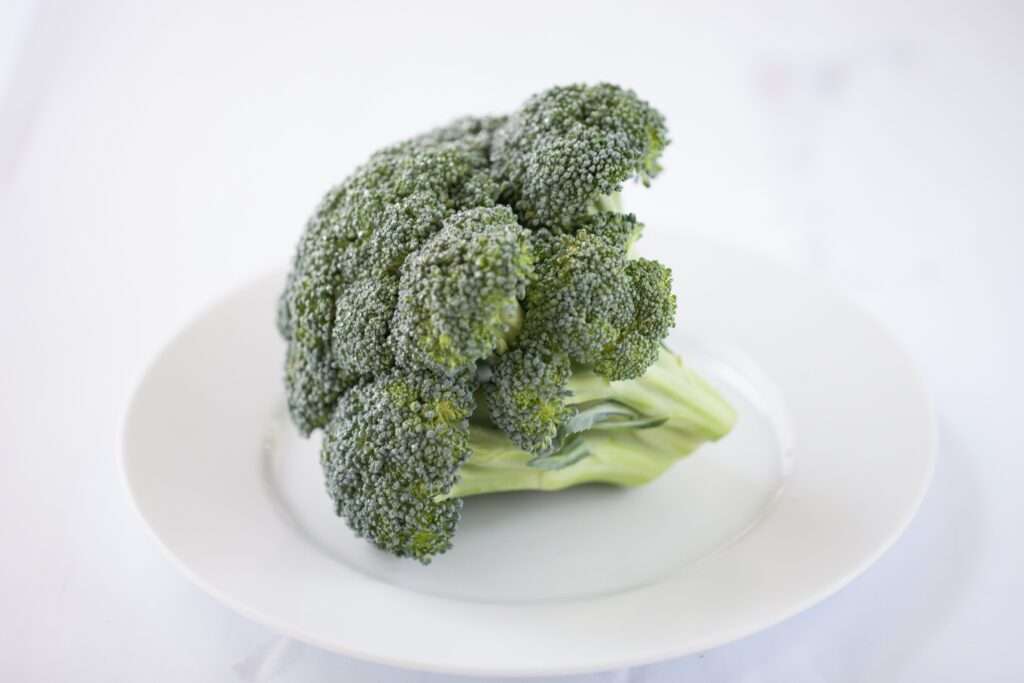
Broccoli gives about 47 mg of calcium per 100 g raw. That’s much less than dairy, but the calcium in broccoli is well absorbed. It also gives vitamin C, vitamin K, folate and high fibre for very few calories.
Broccoli is a helpful extra source of calcium, especially if you’re looking for variety, but don’t rely on it alone to meet your needs.
Calcium Content
100g of Broccoli gives you 50mg.
The Healthy Evolution
7. Spinach

Spinach contains about 100 mg of calcium per 100 g, but there’s a catch: it is high in oxalates, which bind calcium and block most of it from being absorbed. So spinach is a great vegetable, just not a great calcium source.
It’s still worth eating for its vitamin K, vitamin A, folate, iron, magnesium and antioxidants like lutein and beta-carotene. For better calcium, choose low-oxalate greens like kale, bok choy, methi and drumstick leaves.
Calcium Content
100g of Spinach gives you 100mg
The Healthy Evolution
8. Soybeans

Soybeans are one of the best plant-based calcium sources, with about 275 mg per 100 g dry and roughly 100 mg per 100 g cooked. That makes them very useful for vegans and vegetarians.
Soybeans also give complete protein, fibre, healthy fats, iron, magnesium and potassium. Soya chunks, edamame and soy milk are easy ways to eat them.
Calcium Content
100g of soy beans gives you 277mg
The Healthy Evolution
9. Canned Salmon and Sardines

Canned salmon and sardines are high in calcium because you eat the soft, edible bones. Three ounces (85 g) of canned salmon with bones gives around 180 to 200 mg.
They also give vitamin D, which helps you absorb calcium, plus vitamin B12, selenium, protein and omega-3 fats EPA and DHA for heart and brain health.
Calcium Content
3 ounces of Canned Salmon gives you 180mg
The Healthy Evolution
10. Beans

Beans like white beans, rajma, lobia and chickpeas add a fair amount of calcium. Cooked white beans give about 90 mg per 100 g, while rajma and chickpeas give a little less.
Beans are also one of the best sources of plant protein and fibre, plus folate, magnesium and iron, which makes them a great choice for vegetarians.
Calcium Content
100g of cooked white beans gives you about 90mg
The Healthy Evolution
11. Fortified Plant-Based Milk

Many soy, almond and oat milks are fortified with calcium to match or beat cow’s milk, usually 200 to 400 mg per glass. Check the label, because unfortified versions have very little.
Fortified plant milks often also add vitamin D, vitamin B12 and vitamin B2. Shake the carton well, because the added calcium can settle at the bottom.
Calcium Content
250ml of plant based milk gives you 200-400mg
The Healthy Evolution
12. Whey Protein

Whey protein is made from milk, so it contains some calcium, about 100 to 160 mg per scoop depending on the brand. It’s mainly useful as a high-quality, fast-digesting protein for muscle building and recovery. Mixing it with milk instead of water adds another 300 mg of calcium.
Calcium Content
33g of Whey Protein Isolate Powder gives you 160mg
The Healthy Evolution
13. Sesame Seeds (Til)

Unhulled sesame seeds are one of the richest calcium foods by weight, close to 1,000 mg per 100 g. A tablespoon (9 g) gives roughly 90 mg. Hulled (white, polished) sesame has much less.
Sesame seeds also give healthy fats, protein, fibre, iron and magnesium. Add them to chutneys, salads and stir-fries, or enjoy til laddoos and chikki in moderation.
Calcium Content
100g of Sesame Seeds gives you 950mg
The Healthy Evolution
14. Fortified Cereals

Many breakfast cereals are fortified with calcium and other nutrients like iron, zinc, folic acid, vitamin D and B vitamins. Some give up to 1,000 mg of calcium per 100 g, though a normal serving gives much less. Eating them with milk adds even more.
Check the label for both calcium and sugar. Many fortified cereals are high in added sugar.
Calcium Content
Some fortified cereals give up to 1000mg per 100g
The Healthy Evolution
15. Figs

Dried figs (anjeer) give around 160 mg of calcium per 100 g, which is high for a fruit. They also give fibre, potassium, magnesium, iron and vitamin B6.
Dried figs are calorie-dense and high in natural sugar, so 2 to 3 figs a day is a sensible portion.
Calcium Content
100g of Figs gives you 160mg
The Healthy Evolution
16. Tofu

Tofu made with calcium sulphate is one of the best vegan calcium foods, with around 350 mg per 100 g, sometimes more. Check the label for “calcium sulphate” or “calcium chloride”; tofu made with other coagulants has less.
Tofu is also a complete protein and gives iron, manganese, selenium, phosphorus and magnesium. Use it like paneer in bhurji, curries or tikka.
Calcium Content
100g of Tofu gives you 350mg
The Healthy Evolution
17. Paneer

Paneer is a great calcium source for vegetarians, giving roughly 200 to 400 mg per 100 g depending on how it’s made. It also gives around 18 to 20 g of protein per 100 g, plus phosphorus, vitamin B12 and zinc.
Paneer is also high in fat, so 75 to 100 g is a sensible portion. Grill it, make bhurji, or add it to sabzi.
Calcium Content
100g of Paneer gives you 350mg
The Healthy Evolution
18. Lentils

Lentils (dal) are low in calcium compared with the other foods here, around 20 mg per 100 g cooked. We include them because they’re eaten daily in Indian homes and pair perfectly with calcium foods like curd, ragi and paneer.
Lentils give plant protein, lots of fibre, folate, iron, potassium and magnesium, and support heart health and steady blood sugar. Cooking dal with greens like methi or drumstick leaves adds more calcium to the bowl.
Calcium Content
100g of cooked lentils gives you about 20mg
The Healthy Evolution
Indian Calcium-Rich Foods to Add
- Ragi (finger millet): about 340 to 350 mg per 100 g flour, the richest cereal source. Make ragi roti, dosa or porridge.
- Curd and buttermilk: a bowl of curd gives around 150 mg.
- Drumstick leaves (moringa): fresh leaves are high in calcium and add it to dal and sabzi.
- Amaranth leaves (chaulai) and methi: good leafy sources with less oxalate than spinach.
- Rajma and chana: add calcium along with protein.
- Til chutney and gajak: easy ways to eat sesame.
How to Absorb More Calcium
- Get enough vitamin D. Your body needs it to absorb calcium. Morning sunlight and foods like fatty fish, egg yolks and fortified milk help. See our vitamin D foods.
- Spread it through the day. Your body absorbs calcium best in doses of about 500 mg or less at a time.
- Don’t count on spinach. High-oxalate foods block most of their own calcium.
- Limit too much salt and caffeine, which can increase calcium loss.
- Lift weights and walk. Weight-bearing exercise helps your bones use calcium and stay strong.
Sample Day to Reach 1,000 mg of Calcium
| Meal | Food | Approx. calcium |
|---|---|---|
| Breakfast | Oats or ragi porridge cooked in 1 glass of milk | 300 to 350 mg |
| Lunch | 2 rotis, dal, sabzi and 1 bowl of curd | 200 mg |
| Snack | 20 almonds and 2 dried figs | 130 mg |
| Dinner | 100 g paneer or calcium-set tofu with vegetables | 250 to 350 mg |
| Total | about 900 to 1,050 mg |
Signs You May Not Be Getting Enough Calcium
Low calcium often has no clear signs in the short term, because your body pulls calcium from your bones to keep blood levels normal. Over years, this can lead to weak bones (osteopenia and osteoporosis) and a higher risk of fractures. Very low blood calcium can cause muscle cramps or tingling, but that is usually due to a medical problem, not just diet. If you’re worried, talk to your doctor before starting supplements.
Frequently Asked Questions
What are the best calcium-rich foods?
Milk, curd, yogurt, paneer and cheese are top sources. Ragi, sesame seeds, tofu set with calcium, sardines, almonds and leafy greens like kale also give good amounts of calcium.
How much calcium do I need per day?
Most adults need about 1,000 mg of calcium a day. Women over 50 and adults over 70 need about 1,200 mg, according to the US NIH.
What are good non-dairy sources of calcium?
Ragi, sesame seeds (til), calcium-set tofu, fortified plant milks, chia seeds, almonds and leafy greens are good options for people who avoid dairy.
Does vitamin D help calcium absorption?
Yes. Your body needs vitamin D to absorb calcium well. See our vitamin D foods list to get both nutrients.
Is it better to get calcium from food or supplements?
Food is the best first choice because it comes with other nutrients. Supplements can help if you cannot get enough from food, but talk to your doctor before taking them.
Which fruit is highest in calcium?
Dried figs are one of the highest, with about 160 mg per 100 g. Oranges and kiwis give smaller amounts. Fruits are not a major calcium source, so pair them with dairy or other calcium foods.
Which beans are high in calcium?
Soybeans are the best, with about 100 mg of calcium per 100 g cooked. Cooked white beans give about 90 mg per 100 g. Rajma, chickpeas and lobia give smaller amounts. To get more calcium, eat beans with curd, paneer or tofu.
The Bottom Line
The easiest calcium-rich foods are dairy: milk, curd, yogurt, cheese and paneer. If you avoid dairy, ragi, sesame seeds, calcium-set tofu, soybeans, fortified plant milks, chia seeds, almonds, figs and canned fish with bones can still get you to your daily target.
Aim for about 1,000 mg a day (1,200 mg if you’re a woman over 50 or anyone over 70), spread it across your meals, get enough vitamin D, and stay active. Mix several of these foods into your week, keep your individual needs and any allergies in mind, and your bones will thank you for years.
Sources
Read More
The 15 Healthy Breakfast Foods to Eat
The 9 Healthy Vitamin D Foods to Eat
25 Delicious High Fiber Rich Foods
The 20 Best High Vegetarian Protein Foods
21 High Volume Low Calorie Foods That Are Healthy

About the Author: Nikilesh Srinivasan
Nikilesh Srinivasan has been in the fitness industry for more than 6 years and has trained many people, from complete beginners to regular gym-goers. He writes practical workout and nutrition guides based on that experience, checked against trusted research.


Excellent information for everyone, especially veggies. Its a very sequential and clear writing about calcium rich food.
Keep rocking! 🙌🙌❤️