

High-volume, low-calorie foods are foods that fill your plate and your stomach but have very few calories, mostly because they’re full of water, fibre or protein. The best ones are leafy greens, broccoli, cucumber, watermelon, berries, citrus fruits, lean meats, fish, egg whites, Greek yoghurt and skim milk. Eating more of them lets you eat bigger portions while still losing weight.
The hardest part of any diet is being hungry. Volume eating fixes that. Instead of eating tiny portions of calorie-dense food, you eat a big plate of food that happens to be low in calories, and you stay full.
Below are 21 high-volume, low-calorie foods (with approximate calories per 100 g), what each one gives you, Indian options, a sample volume eating day and the mistakes to avoid.
What Is Volume Eating?
Volume eating means filling your meals with foods that are low in calories but high in volume, thanks to their water and fibre content.
The idea is simple. Your stomach senses fullness partly by how much food is in it. 100 calories of cucumber is about 650 g, more than half a kilo. 100 calories of biscuits is about 2 biscuits. Same calories, very different fullness.
Volume eating works for weight loss because it makes a calorie deficit easier to stick to. It’s not a strict diet. It fits into any healthy, balanced way of eating built around vegetables, fruits, lean proteins, whole grains and legumes, which are also packed with vitamins, minerals, fibre and antioxidants.
High-Volume Low-Calorie Foods Chart
| Food | Approx. Calories per 100 g |
|---|---|
| Cucumber | 15 |
| Spinach | 23 |
| Asparagus | 20 |
| Watermelon | 30 |
| Strawberries | 32 |
| Broccoli | 34 |
| Skim Milk | 34 |
| Kale | 35 to 50 |
| Grapefruit | 42 |
| Orange | 47 |
| Blueberries | 57 |
| Non-fat Greek Yoghurt | 59 |
| Low-fat Cottage Cheese | 72 to 90 |
| White Fish (cooked) | 90 to 110 |
| Turkey Breast (cooked, skinless) | 135 to 150 |
| Lean Pork Tenderloin (cooked) | 140 to 150 |
| Chicken Breast (cooked, skinless) | 165 |
| Lean Beef (cooked, 95% lean) | 165 to 175 |
Calories are approximate and vary with variety and cooking. The lean meats aren’t “low calorie” by weight like vegetables, but they’re very filling for their calories because of their protein.
High-Volume Low-Calorie Vegetables
Here are five high-volume, low-calorie vegetables. Vegetables are the backbone of volume eating. You can eat them in big amounts.
1. Broccoli

Broccoli is one of the best high-volume, low-calorie vegetables, and it’s used in almost every weight loss plan because of its fibre and water content.
It’s low in calories (about 34 per 100 g) but gives you vitamin C, vitamin K, vitamin A, potassium and folate. Broccoli also contains plant compounds being studied for their protective effects on long-term health.
How to eat it: Steam a big bowl and toss with lemon, salt and pepper, or add it to stir-fries and egg bhurji.
2. Kale

Kale is a great volume food because the leaves take up a lot of space for very few calories. A big salad bowl of kale keeps you full without much energy.
It gives you vitamin K, vitamin A, vitamin C, potassium, calcium and antioxidants, and its fibre supports digestion.
3. Spinach
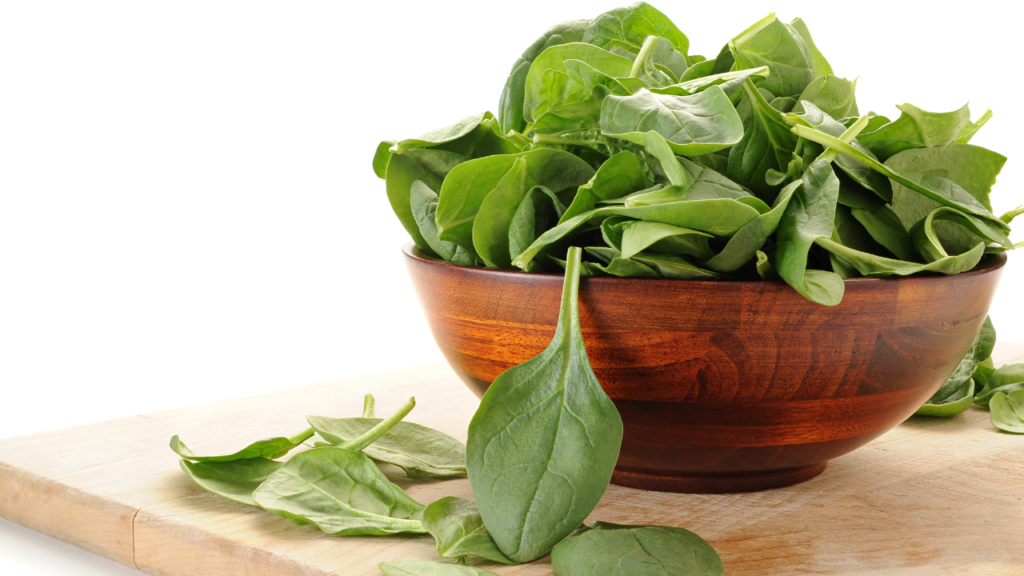
Spinach (palak) is very nutritious and very low in calories, about 23 per 100 g.
It adds bulk to your meals without adding many calories, which makes it easy to eat more food while eating less energy. It’s rich in vitamin K, vitamin A, folate, iron, potassium and magnesium.
How to eat it: Palak dal, palak paneer made with low-fat paneer, or a handful wilted into your omelette.
4. Cucumber

Cucumber is about 95% water and has only about 15 calories per 100 g. You can eat a whole cucumber for less than 40 calories.
It keeps you hydrated and gives you some vitamin K, vitamin C and potassium.
How to eat it: Cucumber raita, kachumber salad, or plain slices with chaat masala as a snack.
5. Asparagus

Asparagus is a nutritious low-calorie vegetable with about 20 calories per 100 g.
It gives you vitamin A, vitamin K, folate, B vitamins, potassium and iron. It also contains antioxidants and prebiotic fibre that feeds the good bacteria in your gut, which is helpful for digestion and weight loss.
Other great high-volume vegetables: cabbage, cauliflower, zucchini, mushrooms, tomatoes, lettuce, bell peppers, lauki (bottle gourd), tinda and turai. See our list of low-carb vegetables for more.
High-Volume Low-Calorie Fruits
Here are the top five high-volume, low-calorie fruits.
6. Watermelon

Watermelon is about 92% water and has only about 30 calories per 100 g. A big bowl feels like a proper dessert for very few calories.
It gives you vitamin C, vitamin A, potassium and lycopene, an antioxidant.
7. Strawberries

Strawberries are a nutritious, high-volume fruit that you can add to many dishes. A whole cup has only about 50 calories.
They’re high in water and fibre, which help fill you up, and they’re rich in vitamin C, manganese and antioxidants.
How to eat it: Add to Greek yoghurt or oats, or eat a bowl as an evening snack.
8. Oranges
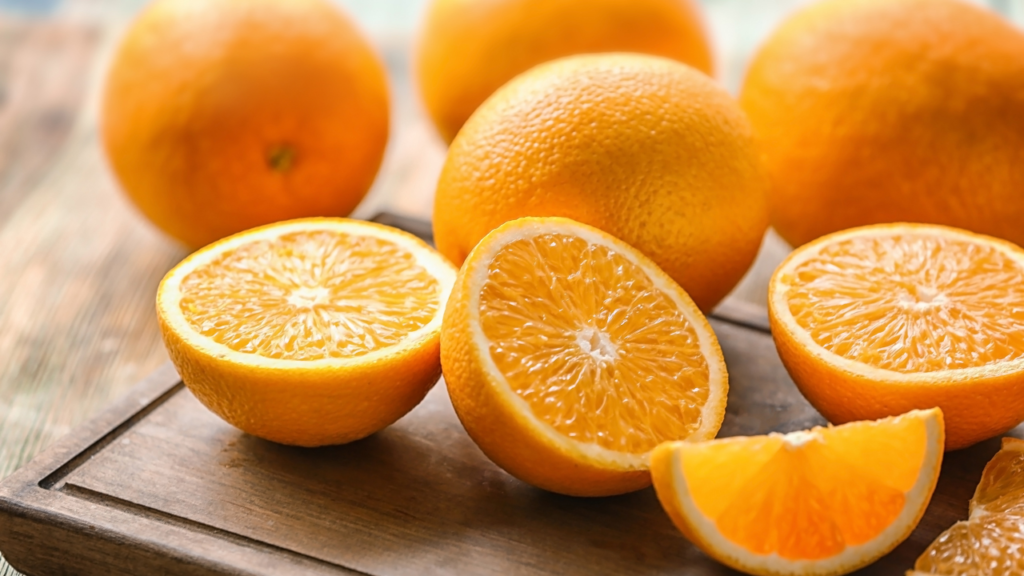
Oranges are a classic high-volume, low-calorie fruit. Their water, fibre and low calorie density help you feel full and satisfied.
Eat the whole fruit instead of drinking orange juice. Juice removes most of the fibre, so it’s far less filling. Oranges give you vitamin C, folate, potassium and antioxidants.
9. Grapefruit

Grapefruit is a citrus fruit with about 42 calories per 100 g. It’s juicy and filling and high in vitamin C, which supports immune function.
Caution: Grapefruit interacts with several medicines, including some statins and blood pressure drugs. If you take regular medication, check with your doctor or pharmacist before eating it often.
10. Blueberries

Blueberries are slightly higher in calories than the other fruits here (about 57 per 100 g), but their water and fibre still make them filling for the calories.
They’re rich in vitamin C, vitamin K, manganese and anthocyanins, the antioxidants that give them their colour.
Other great high-volume fruits: papaya, guava, apples, muskmelon, pears and pomegranate.
High-Volume Low-Calorie Proteins
Protein is the most filling nutrient. These lean proteins give you a lot of fullness and muscle-building protein for their calories, which is why they belong in a volume eating plan. Cook them with little oil, by grilling, baking, steaming or air-frying.
11. Chicken Breast

Skinless chicken breast is one of the leanest, most filling foods you can eat. 100 g cooked gives you about 31 g of protein for about 165 calories.
It’s very low in fat, especially saturated fat, and gives you vitamin B6, niacin, phosphorus and selenium.
How to eat it: Tandoori chicken made with curd marinade, grilled chicken salad, or chicken tikka with a big side of vegetables.
12. Turkey Breast

Turkey breast is another very lean protein, with plenty of protein for muscle growth and repair.
It gives you vitamin B6, niacin, phosphorus and selenium. Roast or grill it instead of frying to keep the calories low.
13. Lean Pork

Lean cuts like pork tenderloin are a high-quality protein and fit into volume eating when trimmed of visible fat.
Pork gives you protein to maintain your muscles, plus vitamin B6, thiamine, niacin, zinc and selenium.
14. Lean Beef

Lean beef is rich in high-quality protein with all the essential amino acids for muscle growth and recovery.
It gives you zinc, iron, vitamin B12, vitamin B6 and selenium. Choose cuts labelled 90 to 95% lean, and avoid processed meats.
15. Fish

White fish like cod, tilapia, rohu and pomfret are very low in fat and calories, which makes them an excellent lean protein.
Fatty fish like salmon, mackerel (bangda) and sardines are higher in calories but give you omega-3 fatty acids for heart health. Fish also gives you iodine, phosphorus, vitamin D, selenium and B vitamins.
Vegetarian protein options: egg whites, tofu, soya chunks, sprouts and low-fat paneer.
High-Volume Low-Calorie Dairy
Here are three high-volume, low-calorie dairy foods. All three are high in protein for their calories.
16. Cottage Cheese
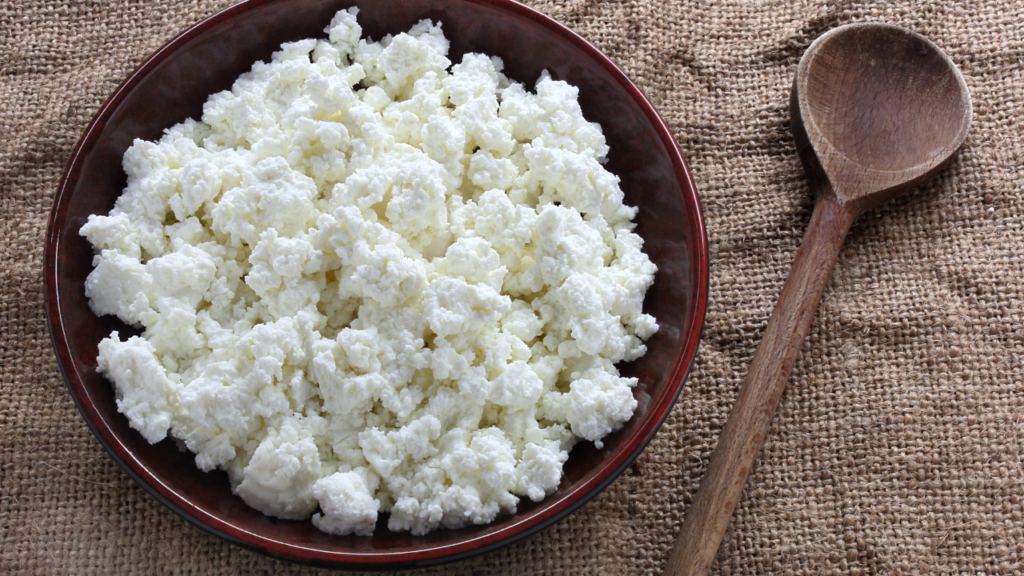
Low-fat cottage cheese is high in protein and low in calories. It’s a great filling snack, especially at night.
It gives you vitamin B12, riboflavin, calcium and phosphorus. It’s low in sugar too. Low-fat paneer is a good Indian alternative, though regular paneer is much higher in calories.
17. Low-Fat Greek Yoghurt

Low-fat or non-fat Greek yoghurt has fewer calories than full-fat yoghurt and about twice the protein of regular curd, which makes it very filling.
It gives you calcium, phosphorus, vitamin B12 and probiotics. Hung curd made from low-fat dahi is an easy homemade version.
How to eat it: With berries and a spoon of oats, or as a base for dips and raita.
18. Skim Milk

Skim milk has almost all the fat removed, so it has about 34 calories per 100 ml, roughly half the calories of whole milk.
It still gives you all the protein, plus calcium, potassium, phosphorus and riboflavin. Use it in tea, coffee, smoothies and oats. Chaas (buttermilk) made with low-fat curd is another great low-calorie, filling drink.
Seeds: Filling, but Use Small Amounts
Seeds are not low-calorie foods. They’re calorie-dense, with about 490 to 560 calories per 100 g. But a small spoonful adds fibre, protein and healthy fats that help keep you full, so they’re useful toppings in a volume eating plan. Stick to 1 to 2 tablespoons a day.
19. Chia Seeds

Chia seeds are very high in soluble fibre. When soaked in water or milk, they absorb many times their weight in liquid and form a gel, which helps you feel full.
They give you omega-3 fats (mainly ALA), calcium, magnesium and phosphorus. Read more about the benefits of chia seeds.
20. Flax Seeds
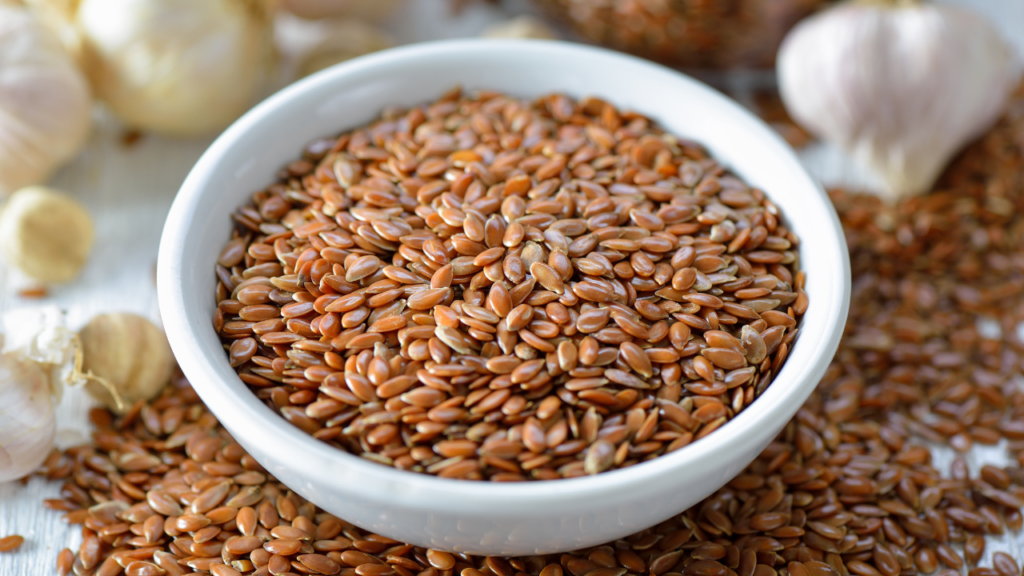
Flax seeds are one of the best plant sources of the omega-3 fat ALA and are rich in lignans, a type of antioxidant.
They also give you fibre, magnesium, phosphorus, thiamine and B vitamins. Grind them before eating, because whole flax seeds often pass through without being digested.
21. Pumpkin Seeds

Pumpkin seeds are nutrient-dense and give you healthy unsaturated fats, protein, magnesium, zinc, manganese and vitamin E.
They’re the highest in calories on this list, so measure them. A tablespoon on your salad or curd is plenty.
Sample Volume Eating Day
Here’s a simple example of a high-volume, low-calorie day (about 1,500 to 1,700 calories):
- Breakfast: Vegetable omelette with 2 whole eggs and 3 egg whites, spinach, onion and tomato, plus 1 slice of toast
- Mid-morning: A big bowl of watermelon or papaya
- Lunch: 1 roti or 1 small bowl of rice, a big bowl of dal, a large serving of sabzi, and kachumber salad
- Snack: 200 g Greek yoghurt or hung curd with strawberries, or a glass of chaas and roasted chana
- Dinner: Grilled chicken, fish or tofu with a large plate of stir-fried vegetables
Fill half your plate with vegetables at every main meal and you’ll find it hard to overeat.
Benefits of Eating High-Volume Low-Calorie Foods
1. Weight Management
Volume eating helps with weight loss because you eat larger portions while taking in fewer calories, so you’re less hungry on a diet.
2. Hydration
Many low-calorie fruits and vegetables are mostly water, so they help keep you hydrated.
3. More Nutrients
Most high-volume foods are packed with vitamins, minerals, fibre and antioxidants. You get more nutrition for fewer calories.
4. Better Digestion
The fibre in vegetables, fruits and seeds supports healthy digestion and regular bowel movements.
5. Steadier Blood Sugar
Meals built around fibre and protein are digested more slowly, which helps avoid big blood sugar spikes and crashes.
Common Volume Eating Mistakes
- Drowning vegetables in oil, butter or dressing. One tablespoon of oil is about 120 calories.
- Drinking your fruit. Juices and smoothies are much less filling than whole fruit.
- Eating too little protein. Vegetables alone won’t keep you full for long. Add a protein source to every meal.
- Going too fast with fibre. If you’re not used to it, increase fibre slowly and drink more water to avoid bloating.
Frequently Asked Questions
What are high-volume low-calorie foods?
They’re foods that fill a large space on your plate and in your stomach but have few calories, usually because they’re high in water and fibre. Examples are cucumber, watermelon, spinach, broccoli and strawberries.
Is volume eating good for weight loss?
Yes. Eating high-volume foods helps you feel full while eating fewer calories, which makes a calorie deficit easier to stick to.
What are the best high-volume low-calorie foods?
Leafy greens, cucumber, zucchini, cauliflower, broccoli, mushrooms, tomatoes, watermelon, berries, air-popped popcorn, egg whites and Greek yoghurt are some of the best.
Which high-volume foods are high in protein?
Egg whites, Greek yoghurt, low-fat paneer, chicken breast, fish, tofu and sprouts give lots of protein for few calories.
Can I eat unlimited high-volume low-calorie foods?
Most vegetables can be eaten freely, but fruits, popcorn and dressings still add calories. Watch oils and sauces especially.
What are good high-volume snacks?
Cucumber or carrot sticks, a bowl of watermelon or berries, air-popped popcorn and roasted chana are good choices. See zero calorie snacks.
What are high-volume low-calorie Indian foods?
Lauki, cabbage, palak, cauliflower, kachumber salad, clear soups, rasam, chaas, sprouts, low-fat curd and egg whites are all great Indian options that fill you up for few calories.
The Bottom Line
High-volume, low-calorie foods are one of the easiest ways to lose weight without feeling starved. Vegetables, fruits, lean meats, fish, egg whites and low-fat dairy let you eat big, satisfying meals for fewer calories.
Fill half your plate with vegetables, add a lean protein to every meal, choose whole fruit over juice, and use seeds and oils in small amounts. You’ll stay full, get more nutrients and find your calorie deficit much easier to stick to.
This article is for general information only. If you have a medical condition or take regular medication, check with your doctor before making big changes to your diet.
Sources
Read More
The 15 Healthy Breakfast Foods to Eat
The Best 18 Calcium-Rich Foods to Eat
25 Delicious High Fiber Rich Foods
The 20 Best High Vegetarian Protein Foods
21 High Volume Low Calorie Foods That Are Healthy

About the Author: Nikilesh Srinivasan
Nikilesh Srinivasan has been in the fitness industry for more than 6 years and has trained many people, from complete beginners to regular gym-goers. He writes practical workout and nutrition guides based on that experience, checked against trusted research.