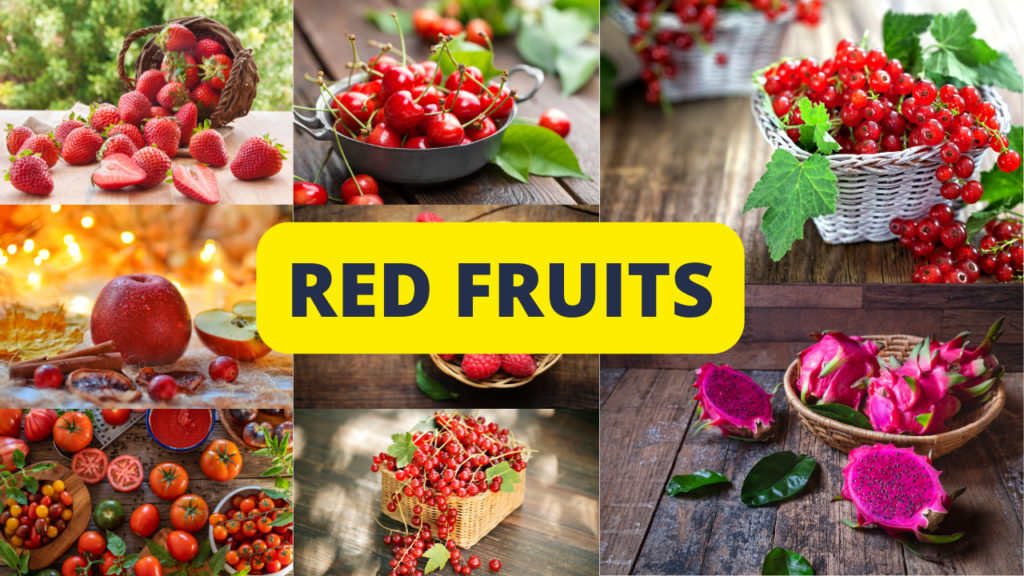
Red fruits like strawberries, apples, cherries, raspberries, watermelon, pomegranate, tomato and red grapes are some of the healthiest fruits you can eat. They are rich in fiber, vitamin C and antioxidants such as lycopene and anthocyanins, which support heart health, immunity and digestion.
Each red fruit has its own flavor and its own strengths. Below are 15 healthy red fruits with their main nutrients, rough calories per 100 grams, health benefits and simple ways to eat them, plus which ones are easy to find in India and who should be careful with a few of them.
What Makes Red Fruits So Healthy?
The red color comes from natural plant pigments. The two main ones are lycopene (in tomatoes, watermelon and red grapefruit) and anthocyanins (in berries, cherries, red grapes and pomegranate). These pigments act as antioxidants, which help protect your cells from damage.
Most red fruits are also low in calories, high in water and fiber, and rich in vitamin C and potassium. Diets high in fruit and vegetables are linked to a lower risk of heart disease and other long-term illnesses.
15 Healthy Red Fruits to Eat
1. Strawberries

Strawberries are small red berries with tiny seeds on the outside and a green leafy top. They give you vitamin C (more than an orange, gram for gram), potassium, folate and fiber.
They are known for their antioxidants, mainly anthocyanins and ellagic acid, which help protect cells. Strawberries may support heart health, the immune system and help lower inflammation. Eat them fresh, add them to curd or oats, or blend them into a smoothie.
Calories: about 32 per 100 g.
2. Apples

The red apple is one of the most eaten fruits in the world, with a crisp texture and sweet taste. Apples give you vitamin C, potassium, fiber (especially pectin, a soluble fiber) and antioxidants like quercetin, mostly in the skin.
They support heart health and healthy digestion, and regular fruit intake is linked to a lower risk of chronic diseases. Eat apples raw with the skin on as a snack, slice them into salads, or have them with a spoon of peanut butter.
Calories: about 52 per 100 g.
3. Cherries

There are two main types of cherries: sweet cherries (Prunus avium), usually eaten fresh, and sour or tart cherries (Prunus cerasus), often used in cooking, baking and preserves. Tart cherries are bright red, sweet cherries are a deeper red.
Cherries give you vitamin C, vitamin A and potassium and are rich in anthocyanins. Some studies suggest cherries may help reduce inflammation, support sleep and lower the risk of gout flare-ups, but they are not a treatment for gout or arthritis.
Calories: about 63 per 100 g.
4. Raspberries

Raspberries have a sweet, slightly tangy and delicate flavor. They are one of the richest fruits in fiber, with about 6 to 7 grams per 100 grams, and they give you vitamin C, vitamin K and manganese.
Their antioxidants include quercetin and anthocyanins. Thanks to the fiber and antioxidants, raspberries can support heart health, steadier blood sugar and good digestion.
Calories: about 52 per 100 g.
5. Watermelon

Watermelon is juicy and sweet and is about 92% water, which makes it a great fruit for staying hydrated in hot weather. It gives you vitamin A and vitamin C.
It is rich in the antioxidant lycopene and contains citrulline, an amino acid that may help with blood flow and muscle soreness after exercise. Because it is mostly water, you can eat a big bowl for few calories.
Calories: about 30 per 100 g.
6. Cranberries

Cranberries are tart red berries used widely in cooking, especially in North America. They are low in fat and calories and high in fiber and vitamin C.
They contain antioxidants called proanthocyanidins, which may help reduce the risk of repeat urinary tract infections in some people. They do not treat an infection, so see a doctor if you have UTI symptoms. Most cranberry juices and dried cranberries have a lot of added sugar, so check the label.
Calories: about 46 per 100 g (fresh).
7. Pomegranate

Pomegranate (anar) is known for its bright red, juicy seeds (arils) and sweet-tart flavor. It gives you vitamin C, vitamin K, potassium and fiber.
Pomegranates contain strong antioxidants including punicalagins and anthocyanins. They may support heart health and help lower inflammation. Research on cancer protection is still early, so treat it as a healthy fruit, not a medicine. Eat the seeds whole rather than juicing them to keep the fiber.
Calories: about 83 per 100 g.
8. Tomato

Tomatoes are a fruit that we use as a vegetable. They give you vitamin C, vitamin K, vitamin A, potassium and folate, and they are low in calories with some fiber.
They are the best-known source of lycopene. Diets rich in lycopene are linked to better heart health and may be linked to a lower risk of some cancers, including prostate cancer, though more research is needed. Lycopene is absorbed better from cooked tomatoes with a little oil, so tomato in your dal, sabzi or curry counts.
Calories: about 18 per 100 g.
9. Red Plums

Red plums are juicy with a sweet-tart flavor. They give you vitamin C, vitamin K, vitamin A, potassium, antioxidants and fiber.
Plums can support heart health, help protect cells from damage, and support skin health thanks to their vitamins and antioxidants. They are low in calories, and the fiber helps digestion.
Calories: about 46 per 100 g.
10. Blood Orange

Blood oranges are a citrus fruit with deep red to burgundy flesh and a sweet, tangy flavor. They are rich in vitamin C and fiber, which support the immune system and skin.
Their red color comes from anthocyanins, which ordinary oranges do not have. They also contain hesperidin. These antioxidants may support heart health.
Calories: about 50 per 100 g.
11. Red Grapefruit

Red grapefruit is a juicy citrus fruit with a sweet-tart taste, and it makes a fresh breakfast option. It is high in vitamin C and fiber, and its red color comes from carotenoids like lycopene.
Important: grapefruit can interact with several common medicines, including some statins, blood pressure drugs and others. If you take regular medicine, ask your doctor or pharmacist before eating grapefruit.
Calories: about 42 per 100 g.
12. Red Currant

Red currants are small, shiny, tart berries that add color and flavor to many recipes. They are high in vitamin C and fiber and contain anthocyanins, which may help reduce inflammation.
Calories: about 56 per 100 g.
13. Red Dragon Fruit

Red dragon fruit has bright pink skin and red-purple flesh with tiny black seeds. It gives you vitamin C, some B vitamins, magnesium, iron and calcium.
It contains antioxidants that help protect the body from free radicals, and its fiber helps digestion. It is low in fat and fairly low in calories. Dragon fruit is now grown in India too and is easy to find in most cities.
Calories: about 60 per 100 g.
14. Red Grapes

Red grapes are sweet and juicy and come in many varieties. They give you vitamin C, vitamin K, potassium and small amounts of other minerals.
They contain antioxidants such as resveratrol in the skin, which may support heart health. Eat them as a snack or in fruit salads. They are higher in natural sugar than berries, so a cup is a good portion.
Calories: about 69 per 100 g.
15. Red Banana

Red bananas are a tasty, slightly sweeter alternative to yellow bananas. They give you vitamin C, vitamin B6, potassium, magnesium and fiber.
The potassium helps regulate blood pressure and supports heart health. They are a good pre-workout snack. In South India they are often sold as sevvazhai or chenkadali.
Calories: about 90 per 100 g.
Red Fruits Easy to Find in India
Many of the fruits above are imported and expensive. These red fruits are local, seasonal and just as healthy:
- Pomegranate (anar): available most of the year.
- Watermelon (tarbooz): best in summer.
- Tomato: use it daily in cooking.
- Red banana: common in South India.
- Red guava: very high in vitamin C and fiber, and pink inside because of lycopene.
- Strawberries: in season from about December to March.
- Lychee (litchi): a summer fruit rich in vitamin C.
How to Eat More Red Fruits
- Add berries or pomegranate seeds to your morning oats or curd.
- Keep a bowl of watermelon or apple slices as your evening snack.
- Add tomatoes and pomegranate to salads and raitas.
- Blend strawberries or red banana with milk for a quick smoothie.
- Choose whole fruit over juice, so you keep the fiber and feel full.
For more ideas, see our list of 55 healthy foods to eat and these high-fiber foods.
Who Should Be Careful With Red Fruits
- People with diabetes: fruit is still healthy, but watch portions of sweeter fruits like grapes, cherries and bananas, and pair them with protein or nuts.
- People on regular medicines: check with your doctor about grapefruit, which can interact with many drugs.
- People on blood thinners like warfarin: talk to your doctor before drinking large amounts of cranberry juice.
- Allergies: some people react to strawberries or other berries. Stop if you notice itching or swelling.
Frequently Asked Questions
Which red fruits are the healthiest?
Strawberries, raspberries, cherries, pomegranate, watermelon, red apples and cranberries are some of the healthiest. They are rich in vitamin C, fibre and antioxidants.
What are the benefits of eating red fruits?
Red fruits are rich in antioxidants like lycopene and anthocyanins, which help protect your cells. They also give vitamin C, fibre and water, which support heart health, immunity and digestion.
Why are some fruits red?
The red colour comes from natural plant pigments called lycopene and anthocyanins. These same pigments act as antioxidants in your body.
Which fruits are red inside?
Watermelon, pomegranate, blood orange, red guava, dragon fruit (red variety) and pink grapefruit are red or pink inside.
Are red fruits good for weight loss?
Many red fruits like watermelon, strawberries and raspberries are low in calories and high in water or fibre, so they are filling. See our high-volume low-calorie foods for more.
The Bottom Line
Red fruits come in many tasty flavors and offer real health benefits. From the sweetness of strawberries to the tang of raspberries and the juiciness of watermelon, each one brings something different to your plate.
They are rich in fiber, vitamins, minerals and antioxidants like lycopene and anthocyanins, which support your heart, immunity and digestion. Eat a mix of red fruits as part of a balanced diet, choose whole fruit over juice, and pick local seasonal options to keep it affordable.
Sources

About the Author: Nikilesh Srinivasan
Nikilesh Srinivasan has been in the fitness industry for more than 6 years and has trained many people, from complete beginners to regular gym-goers. He writes practical workout and nutrition guides based on that experience, checked against trusted research.