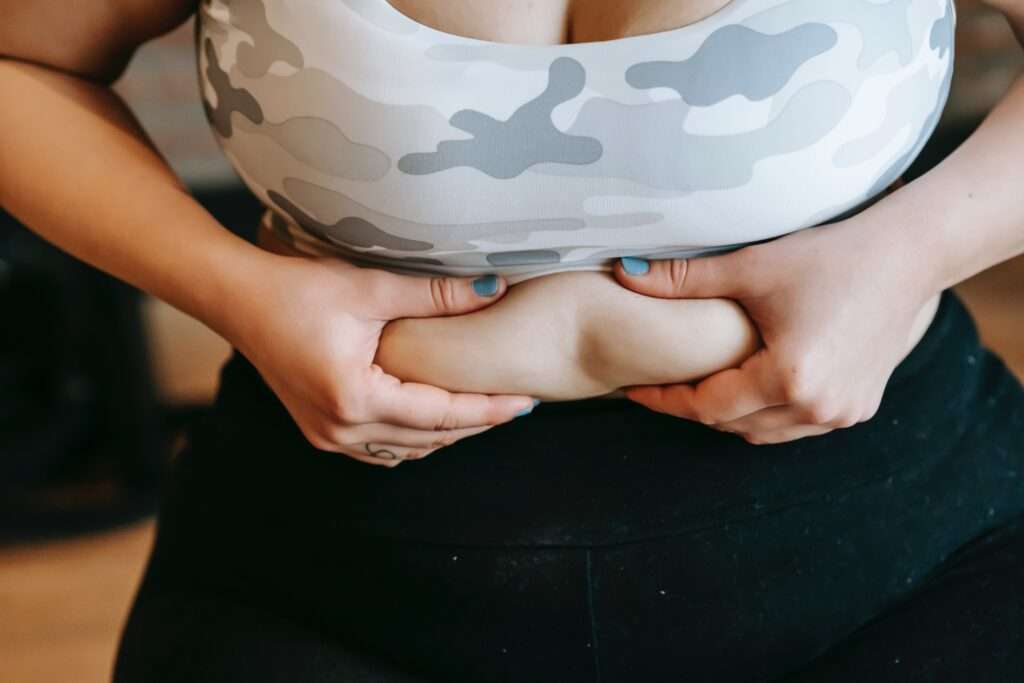
The healthiest way to lose weight easily is to eat in a small calorie deficit, fill your plate with protein, fibre and vegetables, cut back on sugar and fried food, drink enough water and sleep well. Pair that with walking, strength training and a couple of short HIIT sessions a week, and the weight comes off steadily.
You can lose weight if you follow a proper diet and exercise. It doesn’t need to be complicated. What it does need is consistency. Without consistency nothing is possible, and that’s true for every person I’ve seen get real results.
Let’s also be honest about speed. Lots of people want to lose 10 kg in 4 weeks. For most people, that’s too fast to do safely, and most of what comes off that quickly is water and muscle that comes right back. The CDC notes that people who lose weight gradually, about 0.5 to 1 kg a week, are more likely to keep it off. That’s 2 to 4 kg in a month, and in the first week you’ll often see more because of water loss. Read how much weight you can lose in a month for the full breakdown.
Start by tracking what you eat for a week or two. Without tracking, you have no idea where your calories are coming from or what to change.

Coach’s Tip from Nikilesh: Form Before Heavy Weights
Many beginners see others lifting heavy and try to do the same. That is completely wrong. Those people have trained for years to lift that much. Focus on proper form, come to the gym regularly, and you will be able to lift heavy weights too.
5 Healthy Tips to Lose Weight Easily
1. Eat in a Calorie Deficit
A calorie deficit is the base of all fat loss. It simply means you take in fewer calories than your body burns in a day. When you do this consistently, your body uses its stored fat to make up the difference, and you lose weight.
You don’t need a crash diet for this. A deficit of about 300 to 500 calories a day is enough for most people. For example, if your body burns around 2,200 calories a day, eating 1,700 to 1,900 will get you steady weight loss without feeling starved. Use our calorie calculator to find your number, and read how many calories to eat to lose weight for more detail.
Simple ways to cut 300 to 500 calories without counting every grain:
- Use 1 teaspoon of oil per person when cooking instead of pouring from the bottle.
- Swap one sweet chai or coffee with sugar for black coffee or green tea.
- Have 2 rotis instead of 4, and add an extra bowl of sabzi or salad.
- Replace a packet of chips or biscuits with fruit or roasted chana.
- Skip the second helping of rice and have more dal instead.
2. Follow a Balanced, High-Protein Diet
Eating healthy foods makes weight loss much easier because you stay full on fewer calories. Build each meal around protein, fibre, healthy fats, complex carbs and plenty of vegetables and fruits.
- Protein: chicken, eggs, fish, paneer, tofu, curd, dal, rajma, chana and soya chunks. Protein keeps you full and protects your muscle while you lose fat. Aim for some at every meal. If you’re vegetarian, here are the best high-protein vegetarian foods.
- Fibre-rich foods: oats, brown rice, whole wheat roti, millets like ragi and jowar, quinoa, vegetables and fruits. See our list of high-fibre foods.
- Healthy fats: nuts, seeds, a little ghee or olive oil, avocado and fatty fish. Keep portions small because fats are high in calories.
- Vegetables and fruits: they’re packed with vitamins and minerals and support your overall health. Fill half your plate with vegetables at lunch and dinner.
A simple day of eating might look like this: poha with peanuts and a boiled egg for breakfast, 2 rotis with dal, sabzi and curd for lunch, a fruit and a handful of roasted chana in the evening, and grilled chicken or paneer tikka with salad for dinner.

3. Cut Down on Sugar and Fried Foods
Cutting down on sugar and oily foods is one of the easiest ways to lose weight. Fried snacks, sweets, bakery items, soft drinks and junk food are packed with calories but don’t keep you full, so it’s very easy to overeat them. One samosa can be around 250 calories, and a bottle of soda is around 150 to 200 calories of pure sugar.
Too much added sugar over time raises your risk of type 2 diabetes, and a diet heavy in fried food and trans fats raises your risk of heart disease. You don’t have to ban these foods forever. Just make them occasional, not daily. When you cook, use measured amounts of healthier oils like mustard, groundnut, sesame or olive oil.
Watch out for liquid calories too: fruit juices, sweetened lassi, milkshakes and alcohol add up fast. Swap them for water, buttermilk or zero-calorie drinks.
4. Drink Enough Water
Drinking enough water is a must when you’re trying to lose weight. It’s not a quick fix, but it helps in a few ways. Thirst is often mistaken for hunger, and a glass of water before meals can help you eat a little less. Staying hydrated also keeps your energy up for workouts.
You don’t need 5 litres a day. Most adults do well with about 2 to 3 litres of fluids, more if you sweat a lot or live somewhere hot. Check your urine: pale yellow means you’re drinking enough.
Not drinking enough over a long time can cause headaches, constipation, muscle cramps and a higher risk of kidney stones, so keep a bottle with you through the day.
5. Sleep Properly
Sleep is very important for a healthy lifestyle, and most people ignore it when they’re trying to lose weight. Aim for 7 to 9 hours a night.
Diet and exercise get all the attention, but poor sleep makes both of them harder. When you sleep badly, your hunger hormones go up, you crave sugary and fried food, and you have less energy to train. Good sleep supports muscle recovery, balances your hormones and helps you stick to your plan the next day.
Sleeping properly also lowers stress, improves concentration and supports your immune system. A simple routine helps: same bedtime every night, no screens for 30 minutes before bed and no caffeine after mid-afternoon.

5 Best Exercises to Lose Weight
Diet does most of the work for weight loss, but exercise speeds it up, protects your muscle and makes you healthier. Here are the 5 exercises I’d start with. For more options, see our 10 best exercises for weight loss.
1. Walking
Walking is the easiest exercise for weight loss. It needs no equipment, you can do it almost anywhere, it’s easy on your joints and the risk of injury is very low. A brisk 30-minute walk burns roughly 120 to 200 calories depending on your weight and pace.
Start with 30 minutes a day and slowly increase the time. Aim for 7,000 to 10,000 steps a day. A 10-minute walk after lunch and dinner is a great habit that also helps control blood sugar.
Walking also helps lower cholesterol and blood pressure and supports your overall health. Be consistent with it and it adds up to a big difference over months.
2. Strength Training
Strength training is one of the best things you can do while losing weight. It burns calories during the session, but more importantly it helps you keep and build muscle. When you’re in a calorie deficit without lifting, a good part of the weight you lose can be muscle. With lifting, more of it comes from fat.
Muscle also burns a little more energy at rest than fat, which helps your metabolism over time, and it gives you a tighter, more toned look as the fat comes off.
- Focus on big compound exercises like squats, bench press, shoulder press, rows and pull-ups or lat pulldowns. Our chest and tricep workout is a good place to start for the upper body.
- If you’re new, start with machines and dumbbells. Once your form is solid, move on to barbell exercises.
- Train 2 to 4 times a week, doing 3 to 4 sets of 8 to 15 reps per exercise.
- Add core exercises like planks, leg raises and Russian twists at the end of your sessions. They won’t burn belly fat directly, but they make your core stronger.

3. Deadlift
The deadlift works multiple muscle groups at once, especially your glutes, hamstrings, legs and back. Because it uses so much muscle, it burns more calories than most exercises and builds full-body strength.
How to do it: stand with your feet about hip-width apart and the barbell over the middle of your feet. Hinge at your hips and bend your knees to grip the bar with both hands using an overhand grip. Keep your back straight and chest up. Stand up by pushing through your legs and extending your hips and knees together, keeping the bar close to your legs. At the top, stand tall with your shoulders back. Then lower it by pushing your hips back first.
Avoid rounding your lower back. If it rounds, the weight is too heavy. Start with 3 sets of 8 using light weight and build up slowly.
4. HIIT (High-Intensity Interval Training)
HIIT means short bursts of hard work followed by short rest. It raises your heart rate fast and burns a lot of calories in a short time, which is great if you’re busy. Do HIIT 2 to 3 times a week. More than that is hard to recover from when you’re also eating less.
- Good HIIT exercises include burpees, sprints, cycling, jumping jacks, mountain climbers and skipping. Pick ones you can do safely and enjoy.
- A simple beginner format: 30 seconds hard, 60 seconds easy, repeated 8 to 10 times.
- Use a timer app on your phone to keep your intervals on schedule.
- HIIT is intense, so warm up first and drink water during and after your workout.
- If you’re very overweight or have knee pain, do HIIT on a cycle or rowing machine instead of jumping.
5. Swimming
Swimming is a great full-body exercise for weight loss. It works your back, core, arms and legs, and the water’s resistance makes your muscles work hard while supporting your joints. That makes it a good choice if you have knee or back pain or are carrying a lot of extra weight.
Swimming also strengthens your heart and improves lung capacity. Start with 20 to 30 minutes, 2 to 3 times a week, mixing easy laps with a few faster ones.
Simple Weekly Plan to Lose Weight
Here’s how to put it all together. Walk every day on top of this, and adjust based on your schedule.
| Day | Workout |
|---|---|
| Monday | Strength training (full body) |
| Tuesday | HIIT, 20 minutes |
| Wednesday | Strength training (full body) |
| Thursday | Brisk walk 45 minutes or swimming |
| Friday | Strength training (full body) |
| Saturday | HIIT or swimming |
| Sunday | Rest, light walk |
Beginners can start with 2 strength days and 1 HIIT day, then add more after a few weeks.
Common Weight Loss Mistakes to Avoid
- Eating too little. Very low-calorie diets make you tired and hungry, and they’re hard to stick to. A moderate deficit works better long term.
- Only doing cardio. Without strength training you lose muscle along with fat.
- Not counting drinks and snacks. Sugar in tea, juices and bites while cooking can wipe out your deficit.
- Weighing yourself and panicking. Your weight goes up and down daily with water and salt. Look at the weekly average.
- Being perfect for 5 days, then bingeing all weekend. Consistency beats perfection.
- Falling for crash diets and fat-burner pills. They don’t work long term and some are risky.
If hunger is the problem, fill up on high-volume, low-calorie foods like cucumber, watermelon, salads and clear soups.
Frequently Asked Questions
Is losing 10 kg in 4 weeks safe?
For most people, losing 10 kg in 4 weeks is too fast and hard to keep off. A safe rate is about 0.5 to 1 kg per week. Some early loss is water weight, so the first week may look bigger.
What is the best exercise to lose weight?
The best exercise is one you can do regularly. Brisk walking, cycling, swimming and strength training all help. Combining cardio with 2 to 3 strength sessions a week works best.
Can I lose weight by exercise alone?
It is hard. Exercise helps, but diet matters more for weight loss. You need a calorie deficit, which means eating fewer calories than you burn. Our free calorie calculator can show your daily target.
How many calories should I eat to lose weight?
Most people lose weight safely by eating about 300 to 500 calories less than their maintenance level each day. The exact number depends on your age, weight, height and activity.
How much water should I drink when losing weight?
Most adults do well with about 2 to 3 litres of fluids a day, more if you sweat a lot. Drinking water before meals can also help you feel full.
Can I lose weight without going to the gym?
Yes. Walking, bodyweight exercises like squats, lunges and push-ups, skipping and home HIIT workouts are enough to start, as long as your diet is in a calorie deficit.
The Bottom Line
Losing weight is simple, but it isn’t instant. Eat in a small calorie deficit, build your meals around protein and vegetables, cut back on sugar and fried foods, drink enough water and sleep 7 to 9 hours. Then walk daily, lift weights 2 to 4 times a week and add a couple of HIIT or swimming sessions.
Start tracking your calories so you know how much you’re eating, and aim for 0.5 to 1 kg a week. Be consistent with your diet and exercise, and you’ll reach your goal and actually stay there.
Sources
Read More:
10 Healthy High-Fat Foods and Why You Need Them
How to Lose Weight Fast in 2 Weeks?
How Much Weight Can You Lose in a Month?
The Ultimate Guide for Losing Belly Fat Fast and Naturally
How Long Does Pre-Workout Last?
How to Quickly Lose Belly Fat in 2 Weeks: 10 Effective Tips

About the Author: Nikilesh Srinivasan
Nikilesh Srinivasan has been in the fitness industry for more than 6 years and has trained many people, from complete beginners to regular gym-goers. He writes practical workout and nutrition guides based on that experience, checked against trusted research.