
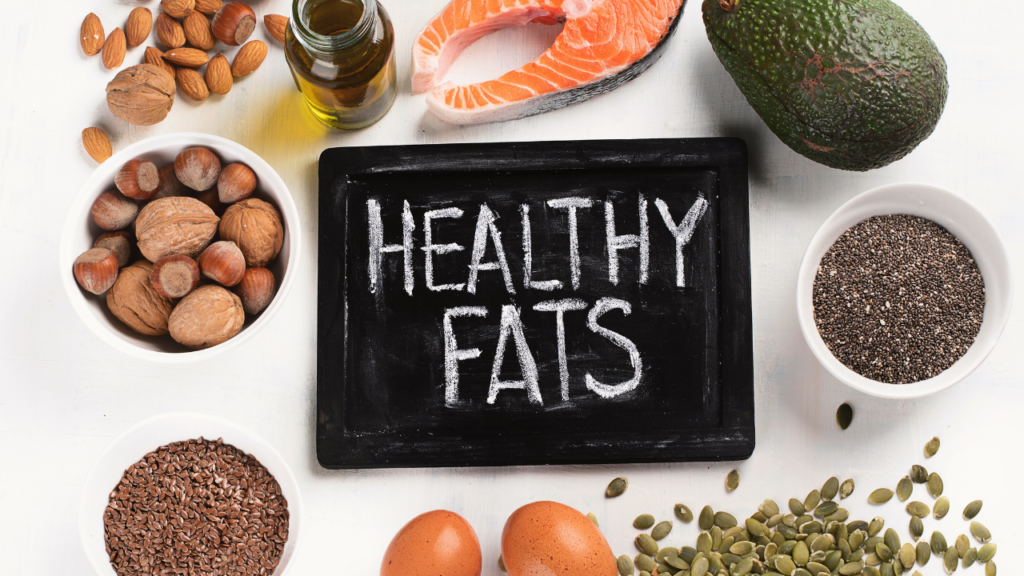
Fat has had a bad reputation for years, but your body needs it. Healthy fats help you absorb vitamins A, D, E and K, support your brain and hormones, and keep you full. The type of fat matters more than the total amount. Here’s what you need to know and 10 healthy high-fat foods.
Quick answer: Healthy high-fat foods include nuts, seeds (chia and flax), avocado, fatty fish, olive oil and peanut butter, which are rich in unsaturated fats. Cheese, paneer, full-fat yogurt and dark chocolate are also nutritious but contain more saturated fat, so enjoy them in moderation.
Types of Fat
Saturated Fats
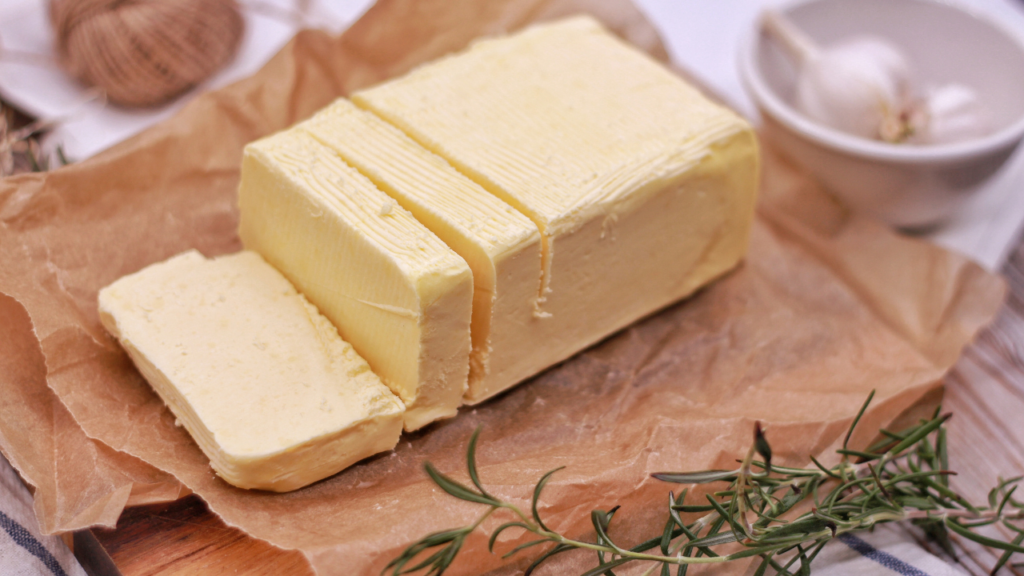
Found in butter, ghee, cheese, fatty meat and coconut oil. Eating too much can raise LDL (“bad”) cholesterol, so it’s best to keep them to moderate amounts.
Unsaturated Fats

Found in nuts, seeds, fish and vegetable oils. These are linked with better heart health when they replace saturated fats.
- Monounsaturated fats: Olive oil, groundnut oil, avocado, almonds.
- Polyunsaturated fats: Walnuts, flax, chia, sunflower seeds and fatty fish, including omega-3 and omega-6 fats.
Trans Fats

Found in some fried and packaged foods made with partially hydrogenated oils, like vanaspati. Avoid them as much as possible.
10 Healthy High-Fat Foods
1. Cheese and Paneer

Good sources of protein and calcium, but also saturated fat, so enjoy them in moderate portions.
Approx. per 100 g: cheddar about 33 g fat; paneer about 20 to 25 g fat
2. Chia Seeds

Rich in plant omega-3 (ALA) and fibre.
Approx. per 100 g: about 31 g fat
3. Flax Seeds

One of the richest plant sources of omega-3. Eat them ground.
Approx. per 100 g: about 42 g fat
4. Avocado

Mostly monounsaturated fat, plus fibre and potassium.
Approx. per 100 g: about 15 g fat
5. Fatty Fish
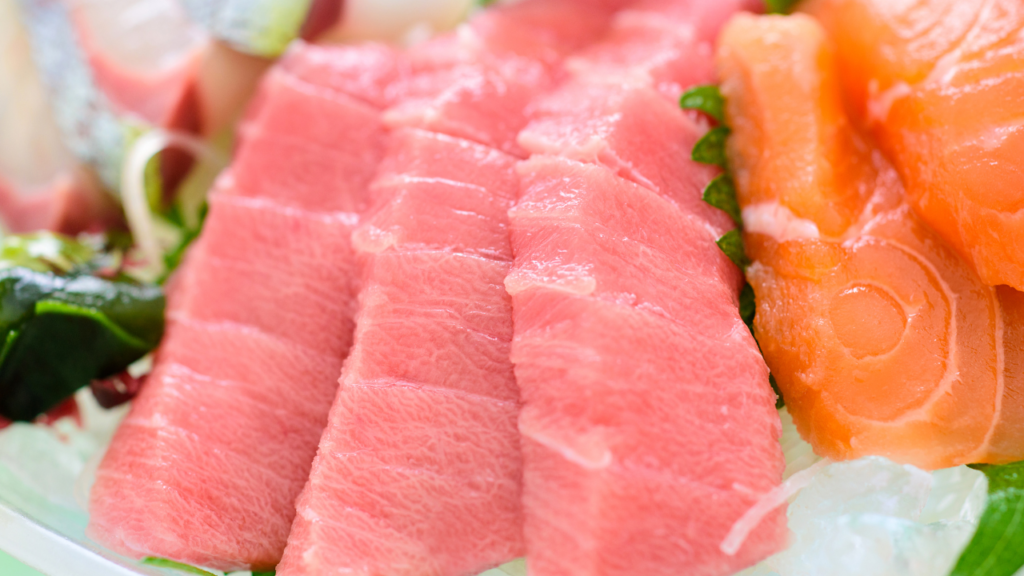
Salmon, mackerel and sardines provide omega-3 fats EPA and DHA.
Approx. per 100 g: salmon about 13 g fat
6. Nuts

Almonds, walnuts and peanuts provide healthy fats, protein and fibre.
Approx. per 100 g: almonds about 50 g fat
7. Olive Oil

Rich in monounsaturated fat. Use it for cooking at moderate heat and in salads.
Approx. per 100 g: 100 g fat (about 14 g per tablespoon)
8. Full-Fat Yogurt (Curd)

Contains protein, calcium and, if live, probiotics.
Approx. per 100 g: about 3 to 5 g fat
9. Dark Chocolate (70%+)

Contains antioxidants, but also sugar and calories. A few squares is enough.
Approx. per 100 g: about 40 g fat
10. Peanut Butter

A tasty source of healthy fats and protein. Choose one without added sugar or oil.
Approx. per 100 g: about 50 g fat
Fat Foods for Different Diets

| Diet | Good choices |
|---|---|
| Low-fat | Skimmed milk, low-fat curd, chicken breast, fish, dal, vegetables |
| Low-carb, high-fat | Eggs, paneer, nuts, seeds, avocado, olive oil, fatty fish |
| High-protein, low-fat | Chicken breast, white fish, egg whites, low-fat paneer, Greek yogurt |
| High-carb, low-fat | Oats, rice, fruit, potatoes, beans and lentils |
Fat values are approximate per 100 g.
Frequently Asked Questions
How much fat should I eat a day?
Many health guidelines suggest that around 20 to 35% of your daily calories come from fat, mostly from unsaturated sources.
Will eating fat make me fat?
Not by itself. Fat is calorie-dense, so portions matter, but weight gain comes from eating more total calories than you burn.
Is ghee healthy?
Ghee is mostly saturated fat. A small amount adds flavour, but don’t use it as your main cooking fat.
The Bottom Line
Healthy fats are essential. Get most of your fat from nuts, seeds, avocado, fatty fish and vegetable oils like olive oil, enjoy cheese, paneer and ghee in moderation, and avoid trans fats. Because fats are calorie-dense, keep an eye on portion sizes.
This article is for general information only. If you have an injury or a medical condition, are pregnant, or are new to exercise, please check with your doctor before starting a new workout or diet plan.
Sources
- NHS: The Eatwell Guide
- Harvard T.H. Chan School of Public Health: Diet Review, Ketogenic Diet for Weight Loss

About the Author: Nikilesh Srinivasan
Nikilesh Srinivasan has been in the fitness industry for more than 6 years and has trained many people, from complete beginners to regular gym-goers. He writes practical workout and nutrition guides based on that experience, checked against trusted research.


